
Designing Outdoor Pavilion Designs That Feel Custom-Made
When you’ve got three energetic boys running around (and trust me, I do), having a backyard that feels like an extension of your home isn’t just a want; it’s a need! That’s where these awesome outdoor pavilion designs come in!
Creating a space that’s both functional and beautiful doesn’t have to feel overwhelming!
Whether it’s a cozy spot for family dinners or a shaded retreat for endless playdates, the right pavilion design can bring everything together in a way that feels custom and perfectly suited for your family.
Let’s talk about how to make it happen!

Understanding the Basics of Outdoor Pavilion Designs
Designing outdoor pavilion designs that suit your family doesn’t have to feel like a daunting project. Trust me, as a mom of three chaos-loving boys, I know how important it is to get this right! Whether your backyard is the main stage for family BBQs, birthday parties, or quiet coffee breaks (those are rare, but they do happen!), creating a pavilion that complements your outdoor vibe is key. Let’s break this down into the essentials.
Types of Outdoor Pavilions

Pavilions come in so many styles, and that’s the fun part—you can really make it your own! Here are a few popular styles to consider:
- Traditional: Think classic wooden beams, pitched roofs, and timeless charm. This style fits beautifully with homes that lean toward a more classic design. It’s like the little black dress of pavilions… it just works!
- Modern: Clean lines, minimalistic structures, and lots of open space. If your home has a modern aesthetic, this style will blend seamlessly. I love how sleek and polished it looks while still being super functional for family life.
- Rustic: Perfect for that cozy, cabin-in-the-woods vibe. This style often incorporates materials like reclaimed wood and natural stone. It’s effortlessly charming and feels like bringing a bit of countryside into your backyard.
- Mediterranean-Inspired: Think stucco details, terracotta tiles, and arched openings. If you’re dreaming of escaping to a villa but need to stay close to home, this style will give you that warm, breezy feel.
The best part? No matter which style you choose, there’s always a way to make it feel personalized to your family. My advice? Pick a style that complements your house and yard while also reflecting how you want to use the space. That way, it feels cohesive instead of out of place.
Essential Features to Consider
When designing outdoor pavilion designs, it’s easy to get caught up in how it looks, but let’s be honest—it needs to handle real life too. From durability to functionality, here are the features every mom should keep in mind:
- Roofing Materials:
The roof can completely change the vibe of your pavilion and protect your family from the elements. Metal roofs are low-maintenance and modern, while wooden shingles give that warm, natural look. For something more decorative, I’ve seen clay tiles in Mediterranean designs that are just stunning! Make sure whatever you choose holds up to your local weather—nobody wants to be chasing shingles after a windy day. - Flooring Options:
Floors need to stand up to the rough-and-tumble energy of kids (and the occasional scooter ride if your boys are anything like mine!). Concrete is durable and easy to clean, pavers are versatile and stylish, and wood adds warmth, although you’ll need to maintain it. Oh, and remember… darker colors hide dirt better! - Lighting:
The right lighting takes your pavilion from daytime hangout to magical evening retreat. You can go with string lights for a whimsical touch or permanent fixtures like hanging lanterns or recessed lighting for a polished, functional setup. Don’t forget solar options—they’re energy-efficient and practically maintenance-free. - Storage Space:
If you’re anything like me, there’s always something that needs storing—from sports equipment to outdoor cushions. Consider building in a bench with hidden storage underneath. It keeps the clutter at bay while doubling as extra seating. - Kid-Friendly Touches:
Designing for kids doesn’t mean sacrificing style; it’s about blending practicality with good looks. Non-slip flooring is a must if there are water games in the backyard—trust me on this one! Built-in seating can double as a mini play area, and durable furniture means no stressing over spills or sticky little fingers.
Lastly, don’t forget to add features for yourself too! Maybe a small storage cubby for mom’s garden tools or a hook for that oversized straw hat you always forget to wear (or maybe that’s just me). The best outdoor pavilion designs are the ones that work for everyone in the family.
Designing a Pavilion That Matches Your Home’s Style

When it comes to outdoor pavilion designs, there’s something so special about creating a space that feels intentionally tied to your home. It’s like finding that perfect puzzle piece that just clicks! The goal is to make the pavilion an extension of your house, so it doesn’t feel like a random afterthought in the backyard. Trust me, I’ve learned the hard way that when everything flows together, the whole yard feels cozier and more put-together. Here’s how you can make sure your pavilion fits right in, while still standing out in the best way possible.
Blending With Your Home’s Architecture
Have you ever walked past a house and noticed a backyard addition that just screams “out of place”? It’s like the building and the structure went to two very different parties. That’s exactly what we want to avoid with your outdoor pavilion! The key is to take cues from your home’s existing architectural style.
- Match Materials: Look at the materials used on your house. Does it feature brick, stone, wood, or siding? Use those same elements—or ones that complement them—for your pavilion. For example, if your home has a lot of warm stonework, consider incorporating that into the pavilion’s columns or base. It instantly feels connected!
- Mimic Rooflines: The roof can make or break the look. If your house has a steep, dramatic roof, a flat pavilion top might look awkward. Keep the pavilion’s pitch similar, or use matching shingles or tiles.
- Stick to a Color Palette: I’m a sucker for a cohesive color scheme! If your home sticks with neutrals or specific accent colors, carry those into the pavilion. Think natural wood stains, painted beams, or decorative trim.
Each home style creates unique opportunities:
- A classic home pairs beautifully with a pavilion featuring stately columns and symmetrical shapes.
- Farmhouse-style houses shine with exposed wooden beams and rustic finishes.
- For modern designs, aim for clean, simple lines, metal detailing, or even a pop of unexpected color.
Just imagine the pavilion as a supporting actor in the movie of your home—complimentary, but not upstaging.
Creating a Seamless Outdoor Living Area
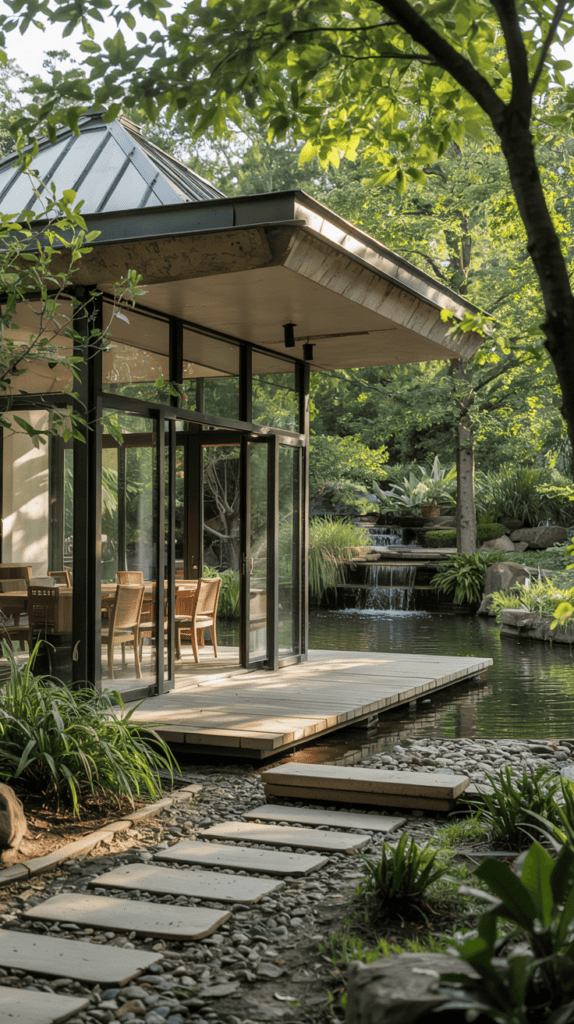
Once the pavilion itself matches your house, the next step is making sure it doesn’t feel lonely in your yard. No one wants a backyard with great potential but zero flow. The goal? Pull everything together, so all the outdoor spaces feel like they’re meant to be there… like they’re all part of one big family hug!
Start by thinking about how the pavilion will connect to the rest of the yard:
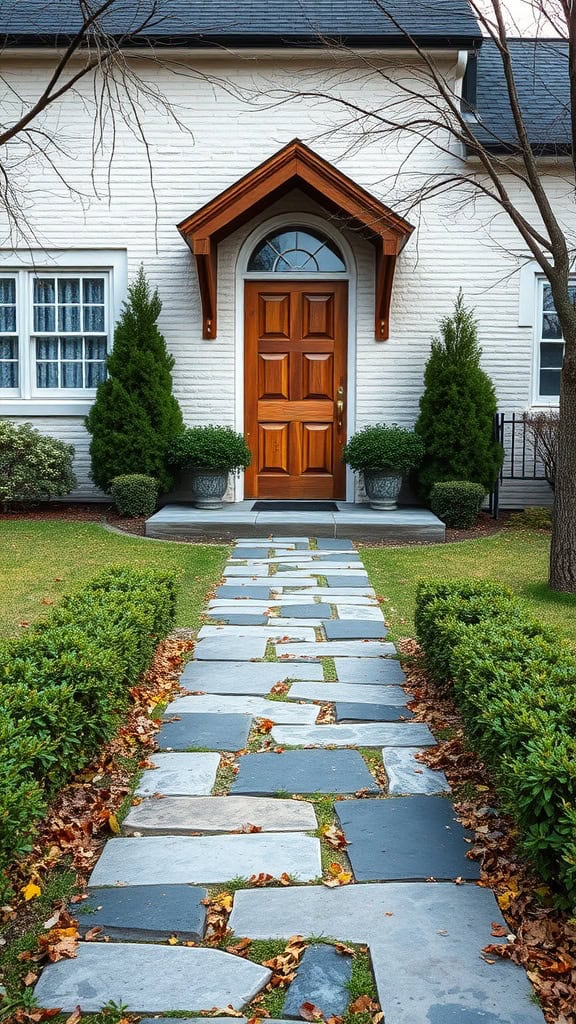
- Pathways are your best friend: A simple stone pathway between the patio and the pavilion can do wonders. It helps guide the eye and makes it functional for foot traffic (and trust me, kids running barefoot are always going to use the path of least resistance).
- Tie it to existing features: Do you already have a pool or garden? Place the pavilion nearby to create a natural connection. Add matching furniture or decor—like weathered planters or cushions in the same color family—to make it feel intentional.
- Use landscaping to frame it: Think bushes, trees, or flowerbeds along the edges. These act like cozy bookends, drawing attention to the pavilion while softly separating it from the rest of the yard. Bonus: Flowers also make everything prettier, which is always a win.
If you have a large patio or deck, consider integrating the pavilion directly onto it. I’ve seen setups where the pavilion covers a portion of the patio, creating a shaded space that flows right into seating or dining areas. It’s a seamless way to blend indoor-outdoor living without breaking things up visually.
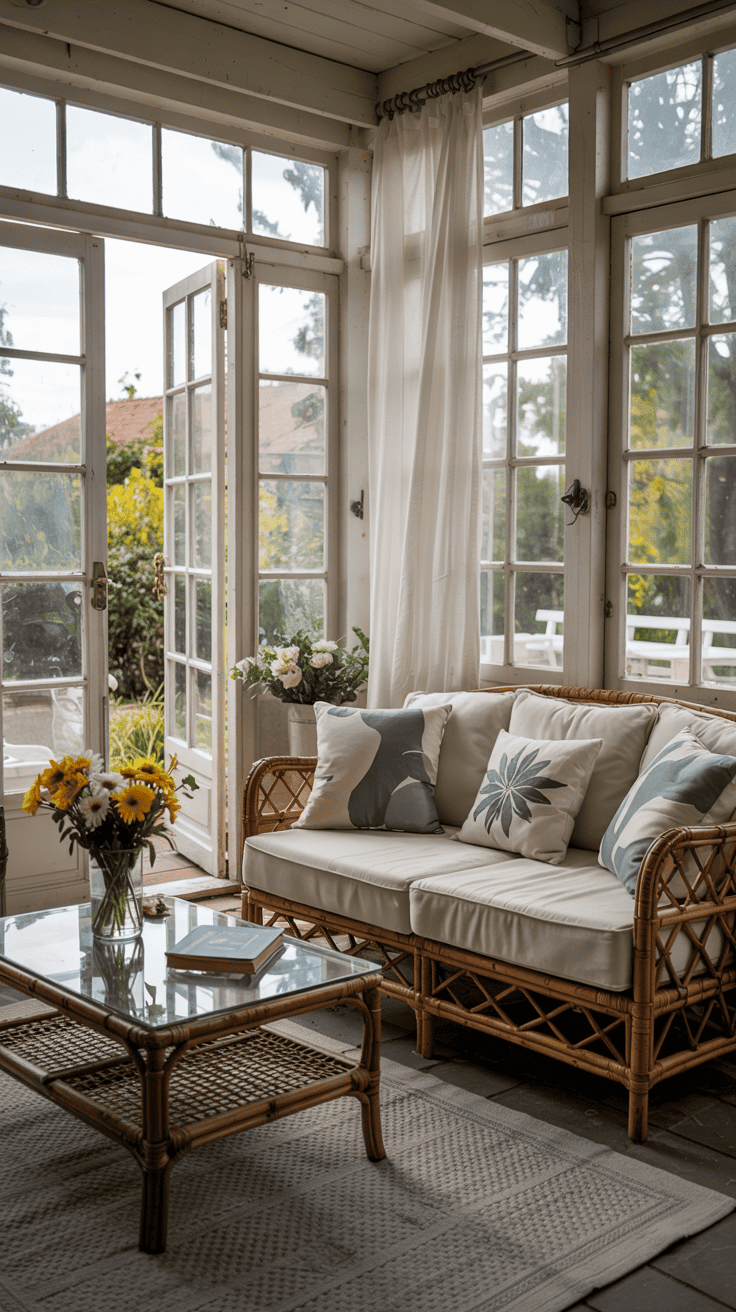
Another great tip? Match the furniture styles between the pavilion and other outdoor spaces. For example, if your patio has wicker furniture, bring that same vibe into the pavilion. Continuity is key here—it makes everything feel connected, like they’re all part of the same design story!
By blending the pavilion into your home and tying it to your outdoor features, you’re creating a backyard that’s more than just functional… it becomes a retreat everyone, including you, will love!
Customizing Outdoor Pavilion Designs for a Personal Touch
When it comes to outdoor pavilion designs, the smallest details can make the biggest difference in creating a space that feels truly personal. If you’re like me, running after kids while trying to squeeze in a moment of relaxation, you need a pavilion that’s not just beautiful but also works for your family. The good news? You can customize your pavilion with practical, functional, and fun elements that make it as unique as your home. Let’s dive into some ideas!
Adding Functional Family-Friendly Additions
As a mom of three boys, I need outdoor spaces that can keep up with us… and maybe even help me keep them entertained for more than five minutes (a miracle, am I right?). Adding family-friendly features to your pavilion makes it a space everyone can use and love. Here are some ideas to inspire you:
- Built-In Seating: Honestly, storage and seating in one? Yes, please! A built-in bench along the side of the pavilion is perfect for stashing outdoor cushions, toys, or even your youngest’s growing rock collection. It also gives everyone a comfy place to sit without needing to drag furniture in and out.
- Outdoor Kitchens: Backyard BBQs hit differently when you’ve got an outdoor kitchen under your pavilion. Add a grill, countertop space, and maybe even a mini fridge for drinks and snacks (it’s the little things that save trips inside!). Pro tip: Include a sink if you can—cleaning sticky fingers or rinsing veggies on the spot is life-changing.
- Play Areas for Kids: Want the kids to actually use the pavilion? Incorporate a small play space into the design. Think chalkboard walls, a spot for their toys, or even some padded floor mats where they can sit and color while you catch a rare moment to relax.
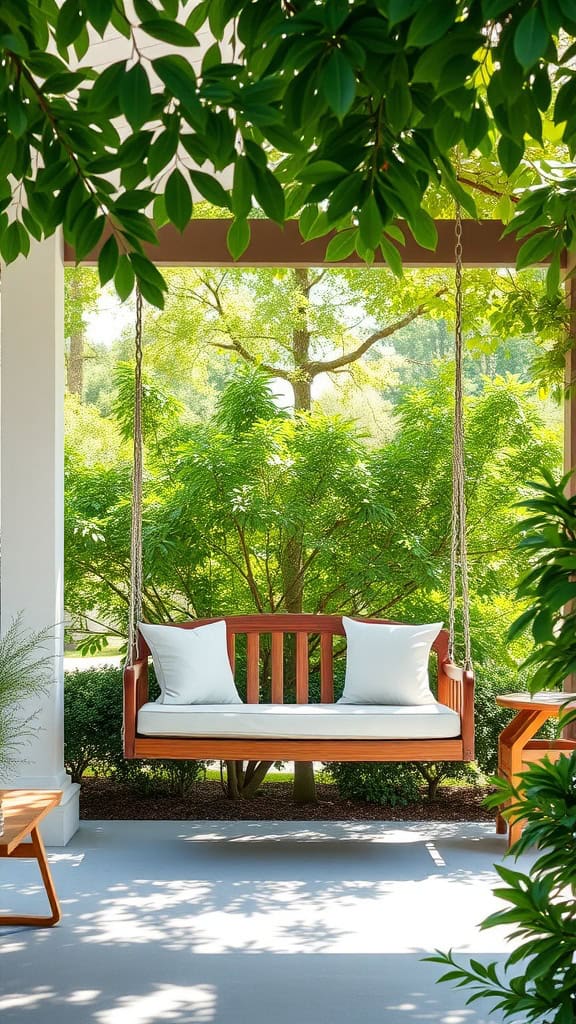
- Swings: Okay, hear me out… swings aren’t just for playgrounds! A hanging bench swing or hammock under the pavilion adds a whimsical, fun touch that’s just as inviting for parents as it is for the kiddos. Plus, swinging under the shade? Absolute bliss on a summer afternoon.
Customizing your outdoor pavilion with features that suit your family’s hobbies, habits, and energy levels is such a smart move. It’s not just about making it functional—it’s about making it fun and usable for everyone (without feeling like you’re trying to keep up with Pinterest-perfect designs!).
Choosing Durable and Low-Maintenance Materials
If I’ve learned anything about outdoor spaces, it’s that looks don’t mean much if the materials can’t handle real life. And by “real life,” I mean weather changes, spills, toddler tornadoes, and all the chaos that family life throws at it. When choosing materials for your outdoor pavilion, think about durability and how much maintenance you’re realistically willing to do.
Here’s what to consider when picking materials:
- Flooring: Start here because it takes the most wear and tear. Concrete is a great option—it’s tough, easy to clean, and you can even jazz it up with a polished finish or stamped designs. Want something softer? Composite decking mimics wood but doesn’t splinter or need as much upkeep. And for those going the natural route, stone tiles look gorgeous and hold up well… just make sure they aren’t slippery!
- Beams and Structure: Wood is timeless and charming, but you’ll want pressure-treated options to resist rot and pests. For something lower-maintenance, metal (like aluminum or steel) is a sleek yet sturdy option that’ll last for years without constant care. Or, combine the two—wood beams with metal accents look super stylish and balanced!
- Roofing: Trust me, you want a roof that stands up to the elements and keeps you shaded. Asphalt shingles work well for those wanting a traditional look, while metal roofs bring in a modern, polished vibe. Polycarbonate panels are another great option—they’re lightweight, resist UV rays, and still let in some natural light. Perfect for those playdates that feel a little less hot and stuffy under good shade!
- Furniture and Fabrics: Outdoor furniture should always be weatherproof, but it helps to choose options that don’t fade or wear out quickly. I personally love Sunbrella fabric for cushions—it’s comfy, stylish, and doesn’t freak out when the boys inevitably spill lemonade on it.
When thinking about materials, it’s also smart to keep kids in mind. For example, opt for rounded edges on any seating or tables (hello, fewer bumped heads!). Invest in non-slip flooring so you’re not stressing every time someone’s running around post-sprinkler session. And always double-check that any wood you use is sealed and splinter-free… you’ll thank yourself later.
The key here? Balance beauty with resilience. Your pavilion should be a space where you don’t have to sweat the small stuff (or the weather or kid catastrophes). Choosing materials that hold up over time means you’ll spend less energy on repairs and more time enjoying all the memories you’re making out there!
Budgeting and Planning for Your Dream Pavilion
Designing outdoor pavilion designs that feel unique and family-friendly goes beyond just picking materials and layout—sticking to a budget and planning thoughtfully are key to making it all work! Trust me, as a mom of three high-energy boys, you don’t want this to turn into one of those runaway projects that drains your savings and your patience. Whether you’re considering professional help or taking on a DIY adventure, let’s break this process into manageable pieces to help you create something beautiful and practical without unnecessary stress.
Working With Professionals vs. DIY
When it comes to outdoor pavilion designs, deciding whether to call in the pros or channel your inner DIY warrior can set the tone (and cost) for the entire project. Each approach has its perks, but it’s about figuring out which fits your family’s needs, your budget, and let’s be honest—your sanity.
Hiring Professionals:
There’s something really comforting about handing over the reins to skilled contractors or a design expert. Here’s why hiring professionals might be the way to go:
- Expertise on Your Side: Professional builders and architects are pros at creating structures that are safe, sturdy, and look like they belong in your backyard. They’ll know which permits are required and can save you from serious headaches down the road.
- Time-Saver: If you’re like me, juggling a busy household, you might not have days (or weeks) to spare for a DIY project. Hiring someone means the work gets done faster while you focus on the chaos elsewhere—like finding your toddler’s missing shoe!
- Custom Design Options: Professionals can bring fresh ideas to the table, helping you design an outdoor pavilion that truly feels like an extension of your home. They might suggest features (like built-in storage or hidden lighting) you hadn’t even thought of.
Still, going with the pros comes with a heftier price tag. Labor costs, building fees, and premium materials can quickly add up. It’s essential to set a clear budget before signing any contracts and stick to it—no last-minute splurges, even if you fall in love with those fancy reclaimed wood beams.
Taking the DIY Route:
If you’re crafty (or love a good weekend project), building your own pavilion can save money and make it feel even more special. Plus, it’s a huge accomplishment!
- Budget-Friendly: DIY is often much cheaper because you’re saving on labor costs. You can also shop around for materials within your price range or hunt for deals at local home improvement stores.
- Creative Freedom: The beauty of DIY is that you can design every inch of your pavilion exactly how you like it. Want to try a unique color stain or add quirky details like a chalkboard wall for the kids? Go for it!
- Bonding Opportunity: If your spouse or teenagers are up for the challenge, it can become a family project. Just make sure to keep the boys busy with paintbrushes far away from the open cans of paint—speaking from experience here.
That said, DIY isn’t for everyone. Depending on the complexity of your design, you might need tools or skills you don’t already have. And let’s not forget the time commitment. If this isn’t your thing, it’s okay to pass the baton to the professionals. No shame in outsourcing when it keeps you grounded (and keeps the kids from using power tools)!
Prioritizing Features for Maximum Value

With any big project, it’s easy to get carried away with the what ifs. What if we add an outdoor fireplace? What if we include a built-in pizza oven? Before you know it, your design wishlist is longer than your grocery receipt after a Costco trip! That’s why it’s so important to focus on practicality first, prioritizing features that truly add value for your family’s everyday life.
Here’s how I look at it: What’s going to make your outdoor pavilion the ultimate go-to spot for family memories? Start with the features that’ll get used the most, and build from there.
For Family Gatherings:
- Dining Area: A sturdy table with enough seating for everyone is a must if you love hosting BBQs or family dinners. Opt for weather-resistant furniture since, let’s be real, outdoor messes are inevitable (and not just from the kids!)… am I the only one constantly wiping melted popsicle off chairs?
- Outdoor Kitchen: If you’re serious about summer cookouts, consider a built-in grill or prep station. Bonus points for adding a mini fridge—because nobody wants to disrupt the party by running inside for cold drinks or that one forgotten condiment.
- Shade and Weather Protection: A strong roof or retractable shade is non-negotiable. It makes sure light rain won’t ruin your movie night under the stars.
For Playtime:
- Kid Zones: Having boys, I know the energy levels that kids bring to any space. Create a dedicated “play corner” with room for their toys, a painted activity wall, or even a small sandbox near the pavilion. Keeping them entertained means they’re nearby (but not underfoot).
- Open Space: Minimal furniture on one side of the pavilion lets it double as a spot for impromptu games. Whether it’s hopscotch or building LEGO cities, giving them room to spread out keeps everyone happy.
For Relaxation:
- Comfortable Seating: Think cushy chairs or even a couple of rocking chairs for quiet moments. A porch swing is great for summer evenings, especially after a long day of password-reset emails and snack duty.
- Mood Lighting: Lanterns, string lights, or even dimmable bulbs can turn your pavilion into a serene escape after bedtime. Trust me, there’s nothing more calming than sipping tea under a soft glow while the crickets chirp.
Making the Most of Your Budget:
- Focus on versatile features that work for different activities. For example, a dining area can double as a craft station during the day.
- Split your wishlist into “essentials” and “nice-to-haves.” Work down the priority list to see what your budget can realistically handle.
- Don’t skimp on durability. It’s tempting to choose the cheapest materials, but investing upfront in weather-resistant options means fewer replacements later.
Prioritizing what really matters means your pavilion won’t just look pretty in pictures—it’ll actually get used! Whether it’s family pizza nights, lazy Sunday mornings with coffee, or afternoons spent watching the kids run wild, your pavilion should fit the rhythm of your life… without breaking the bank.
Conclusion
Designing outdoor pavilion designs that feel custom and cohesive is all about creating a space that works for your family while bringing your backyard to life. Whether it’s playful touches for the kids, a cozy retreat for some mom-time, or a seamless extension of your home’s style, these designs can transform any outdoor area into something truly special.
Start imagining what your dream pavilion could look like! Think about how it could become the centerpiece for family dinners, lazy summer mornings, or unforgettable celebrations. The best part? It’s not just about functionality—it’s about making memories in a space that feels like it was made for you.
Ready to plan your pavilion? Go for it! You deserve an outdoor space where your family can laugh, relax, and grow together—it’s a decision you’ll love every time you step outside.
This post may contain affiliate links. Read the full disclosure here.