17 Wood Trim Outside House Ideas For A Polished Exterior Look
Wood trim outside your house can transform a plain exterior into something truly special. Whether you’re building new or updating your current home, these wood trim ideas will give your house that polished, finished look that makes neighbors stop and admire.
I love adding warm, natural character to a home’s exterior, and I always recommend enhancing curb appeal with exterior cedar trim boards that bring out beautiful contrast, durability, and a timeless finish around windows, doors, and rooflines.
Let’s explore seventeen creative ways to use natural wood trim to boost your home’s curb appeal!
Stained Cedar Porch Ceiling
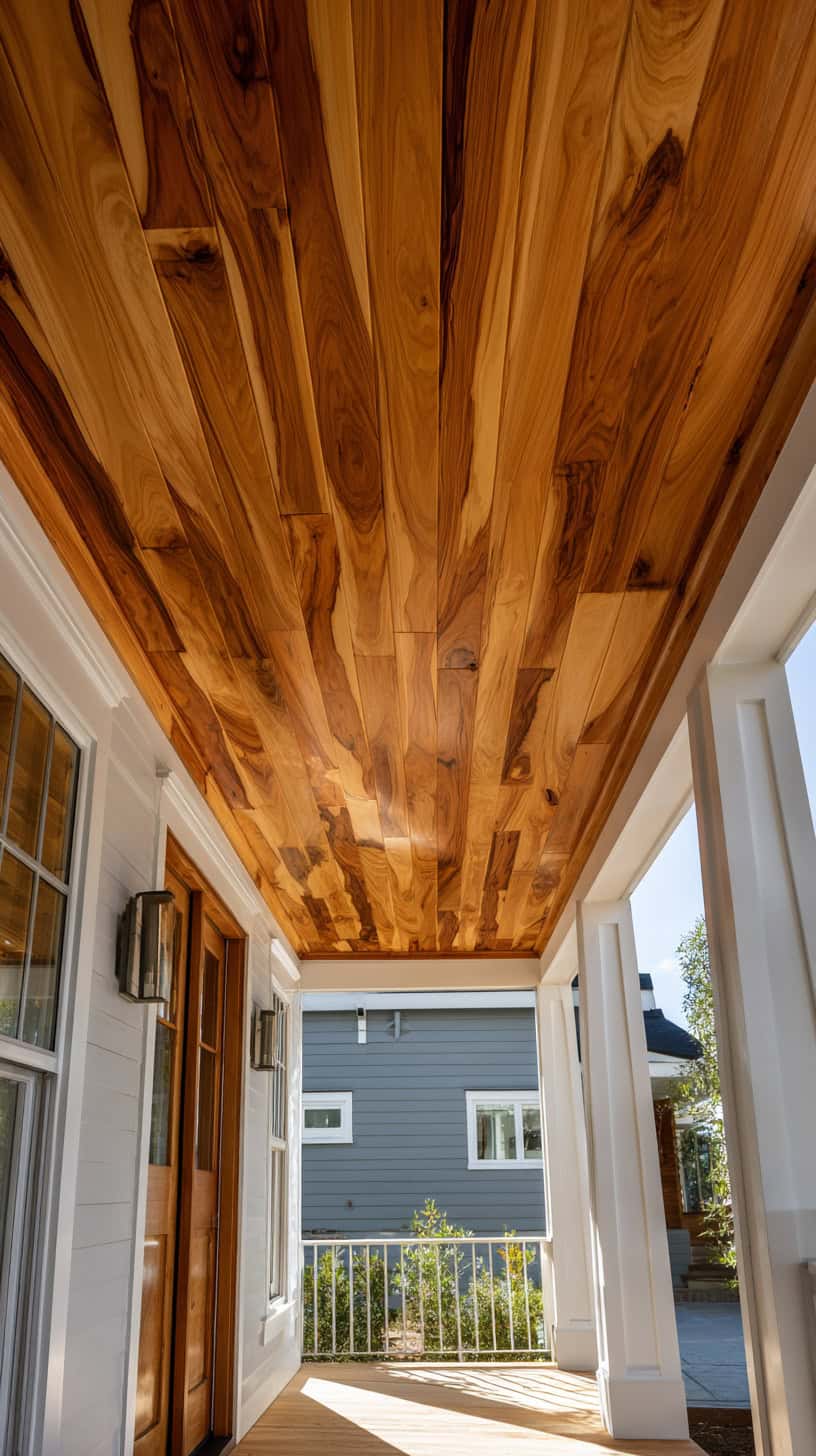
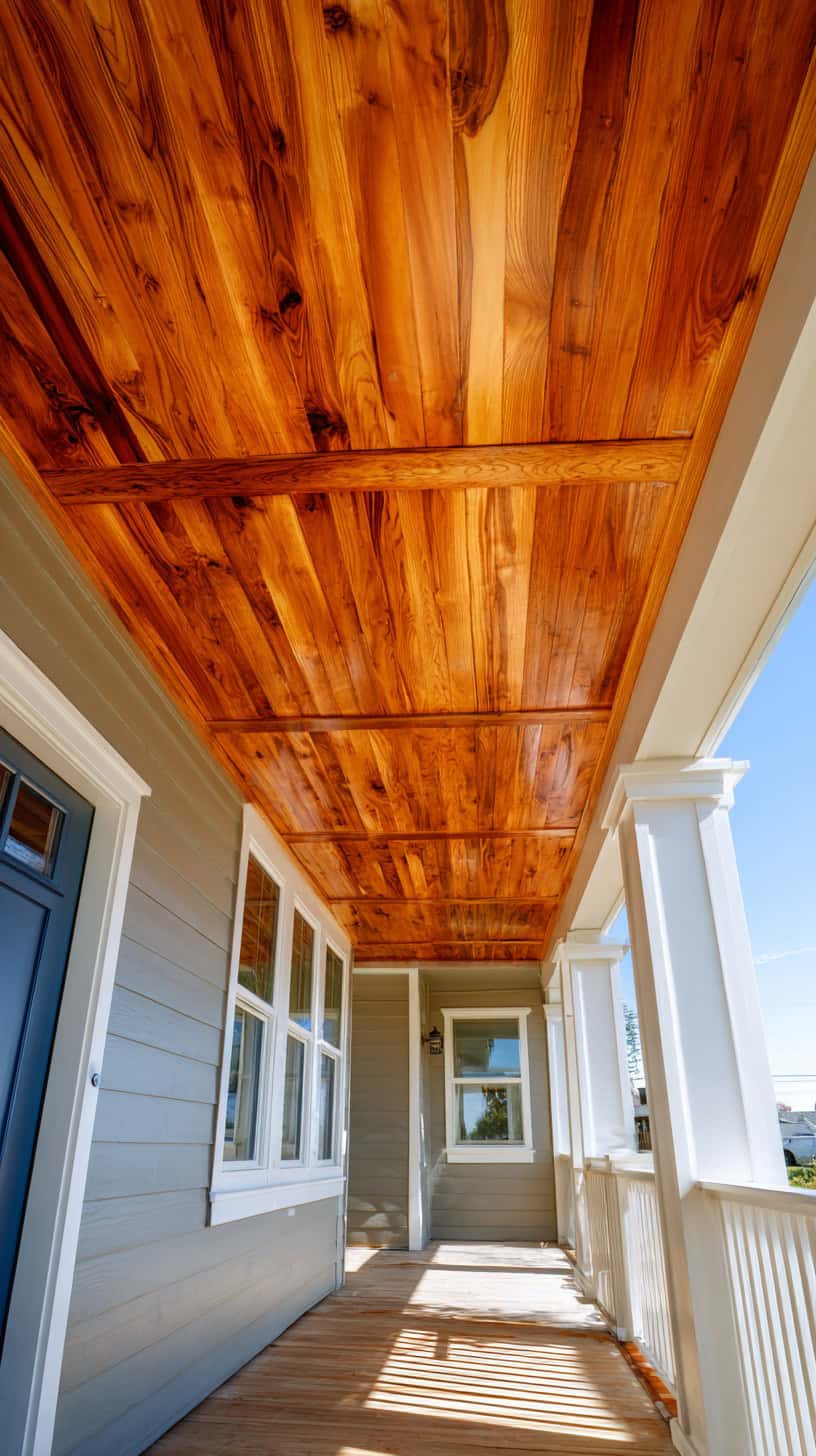
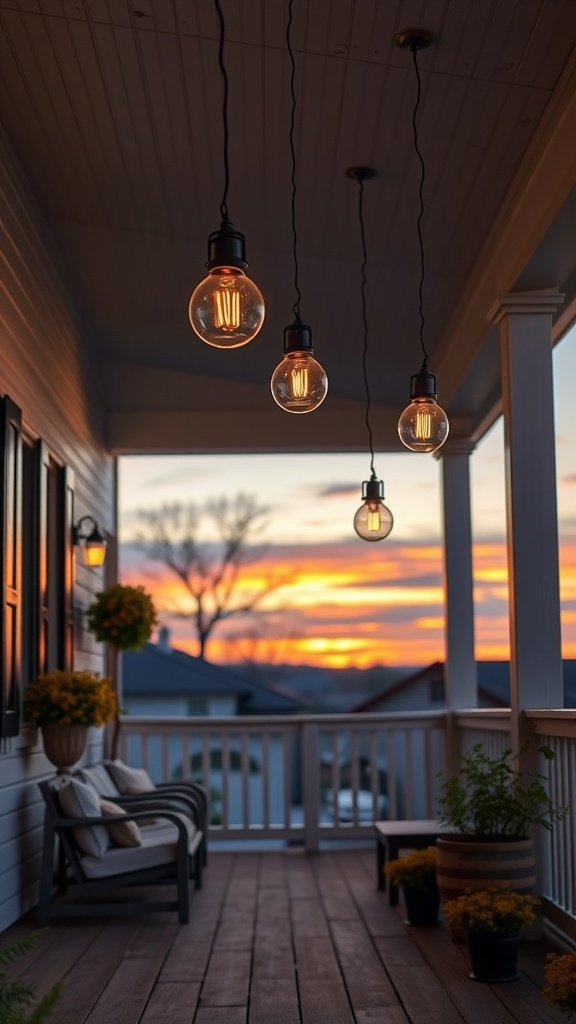
A stained cedar porch ceiling creates instant warmth and character that painted surfaces simply can’t match. I love how the natural wood grain shows through, bringing an organic, earthy feel to your outdoor space. Cedar naturally resists moisture and insects, making it perfect for exposed areas. The honey tones of stained cedar complement nearly any exterior color, from classic whites to warm grays. This wood trim outside house feature works beautifully in Craftsman style homes but honestly looks amazing on any architectural style. Your porch becomes an inviting retreat that feels like an extension of your interior living space. The installation is straightforward, and the maintenance is minimal, which means more time enjoying your beautiful porch with family. Consider a medium stain to highlight the wood’s character while protecting it from the elements.
Natural Oak Beam Accents
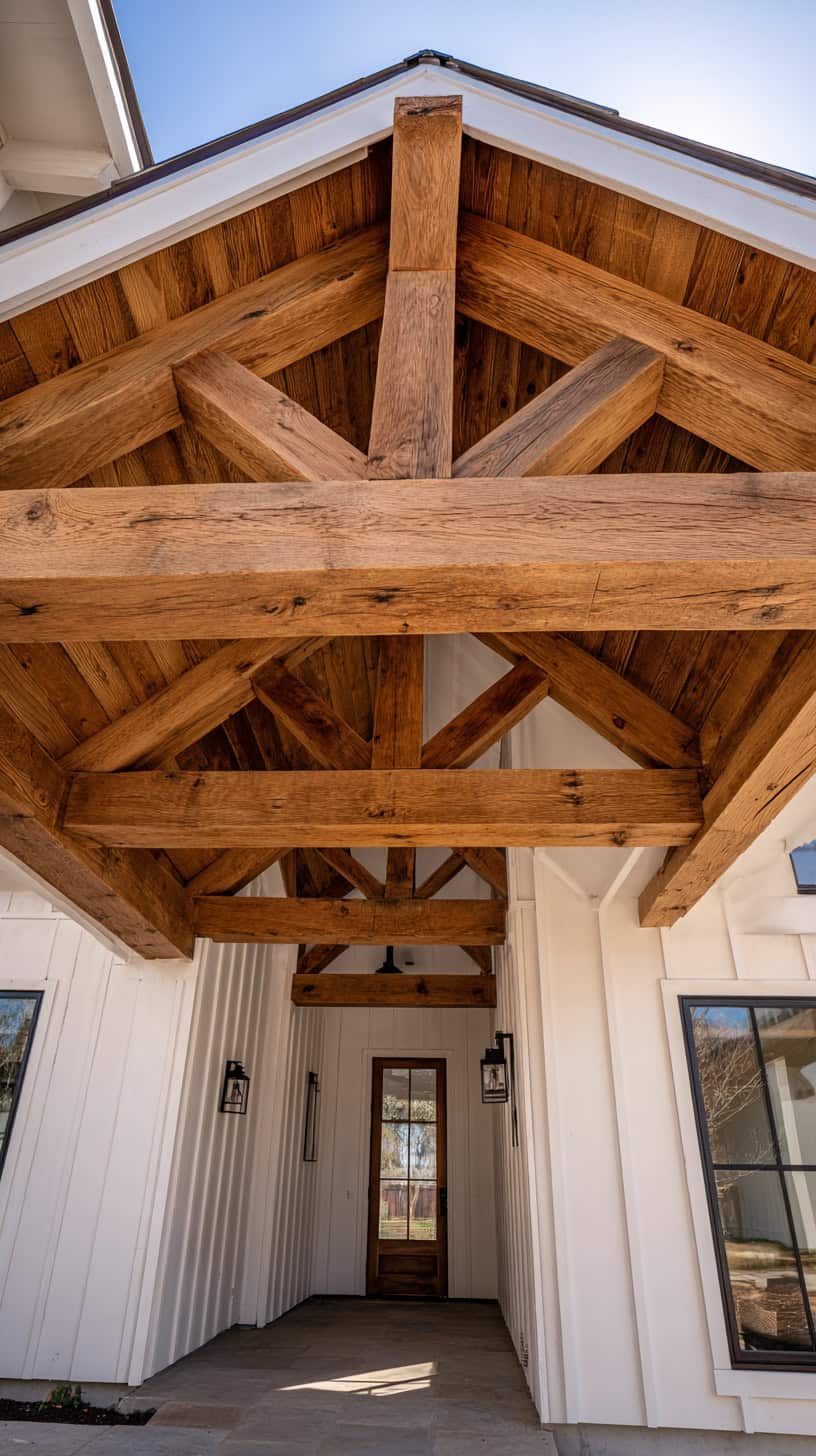
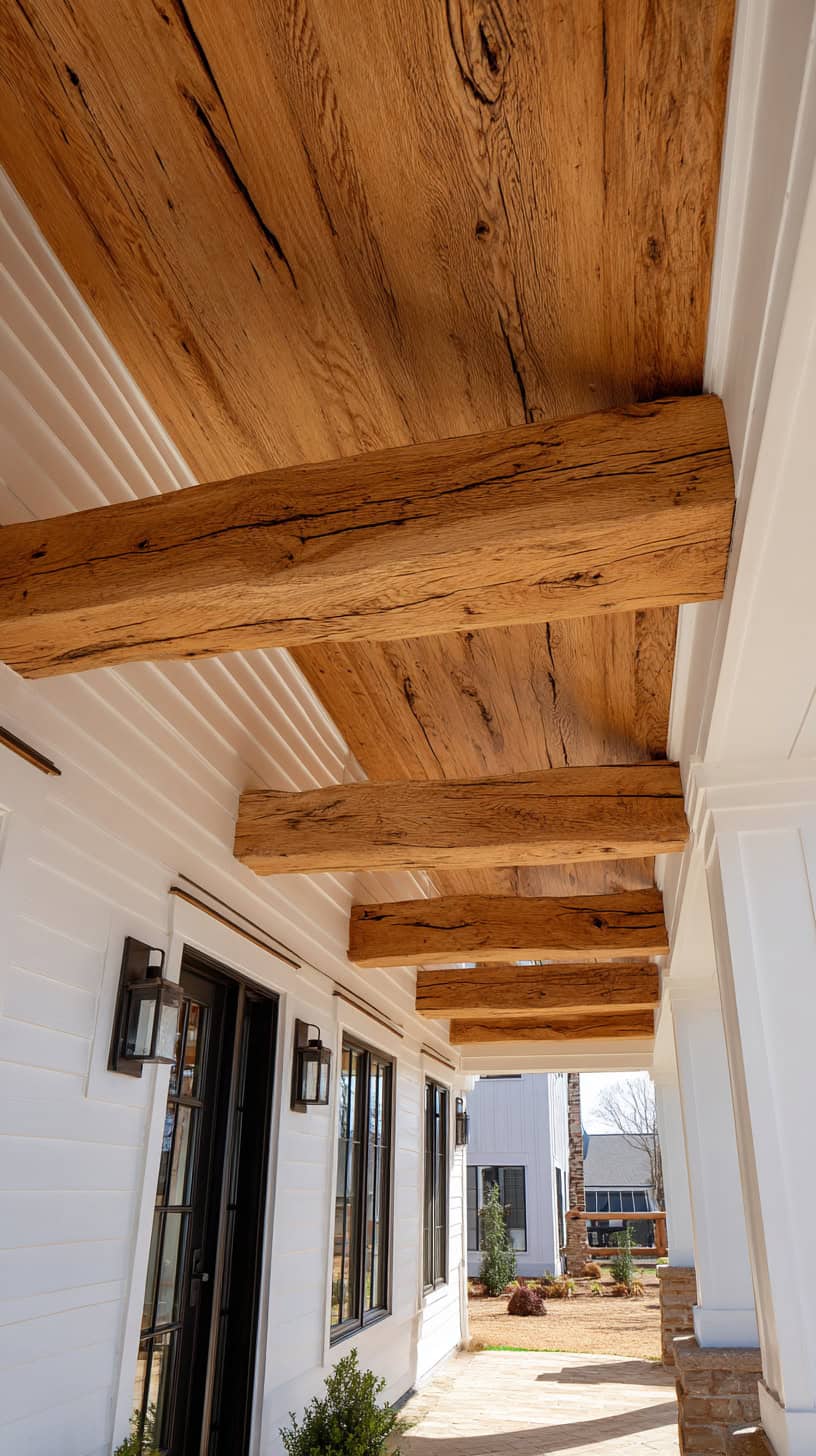
Natural oak beams add bold architectural interest to your home’s exterior, creating focal points that draw the eye upward. These substantial wood trim ideas work particularly well around entryways, under gables, or supporting porch overhangs. Oak’s strong grain pattern and warm coloring make each beam a statement piece that showcases nature’s beauty. I’ve seen these beams transform ordinary ranch homes into charming cottages that feel established and grounded. The natural wood trim stays true to the material, letting the oak’s inherent characteristics shine through without heavy staining. This approach pairs wonderfully with white walls with wood trim combinations, creating striking contrasts that highlight both elements. Oak is incredibly durable and ages beautifully, developing a silvery patina over time if left untreated. For families wanting that rustic trim ideas aesthetic, oak beams deliver authenticity and lasting appeal.
Walnut Wood Door Trim
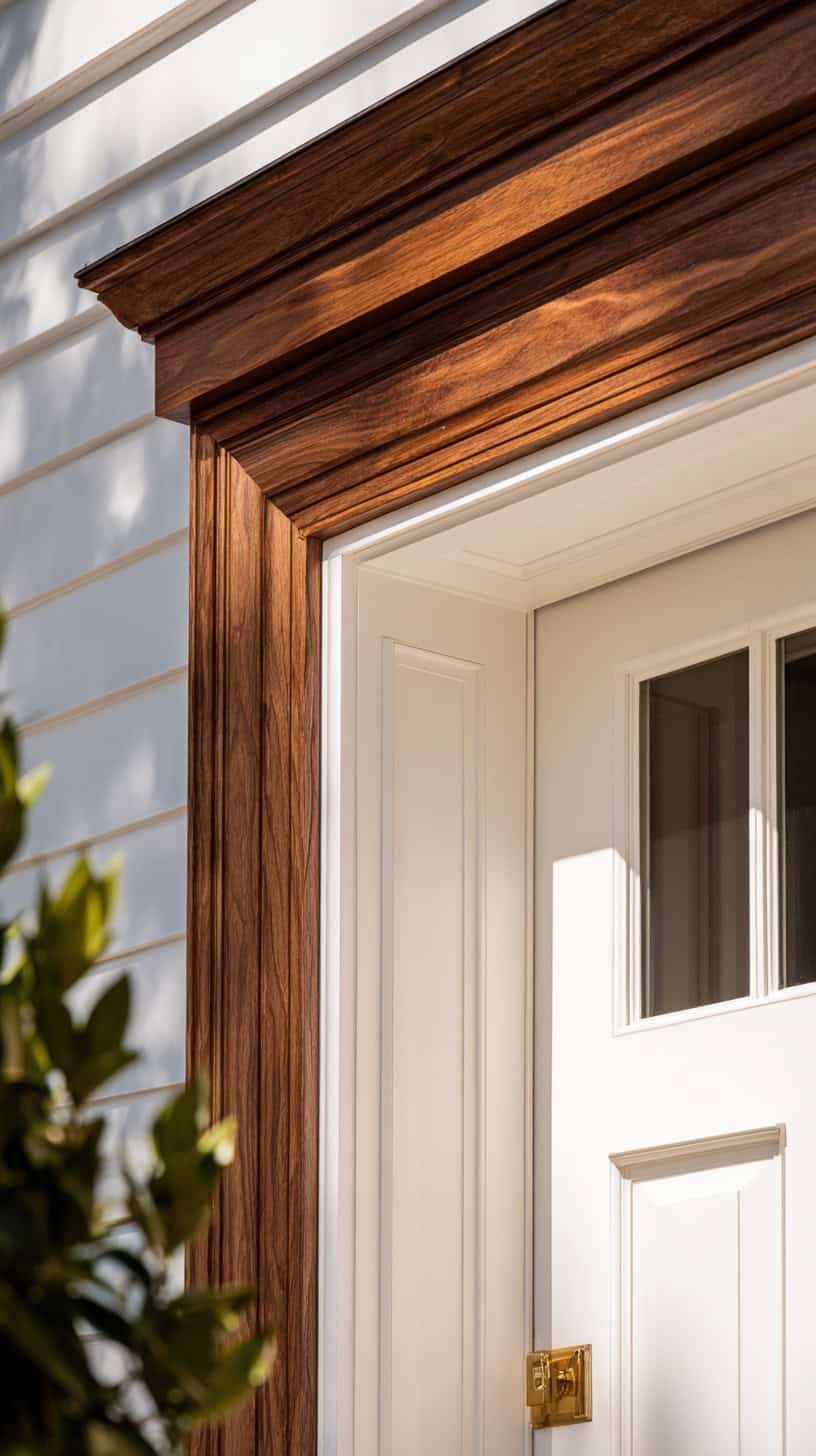
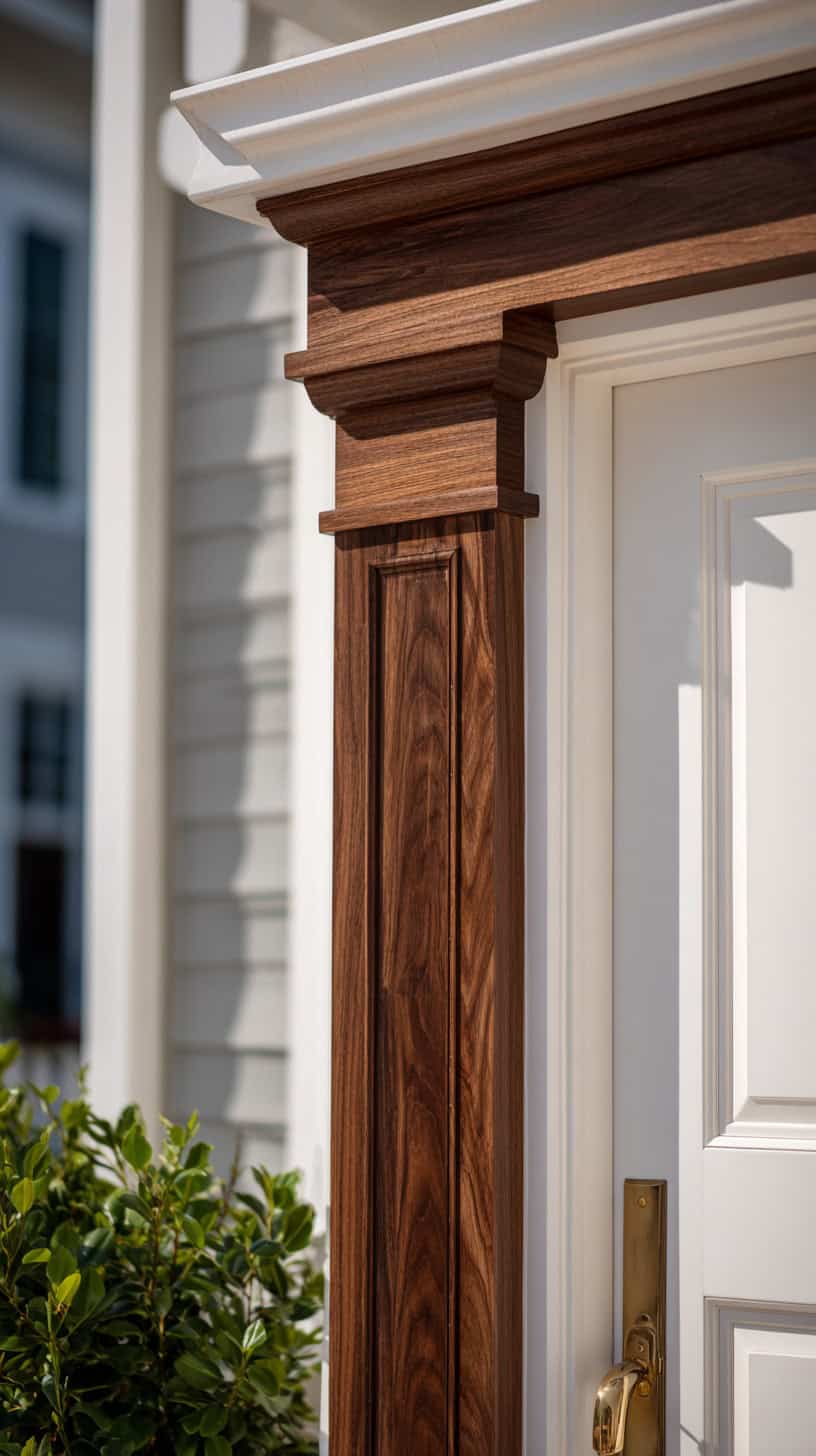
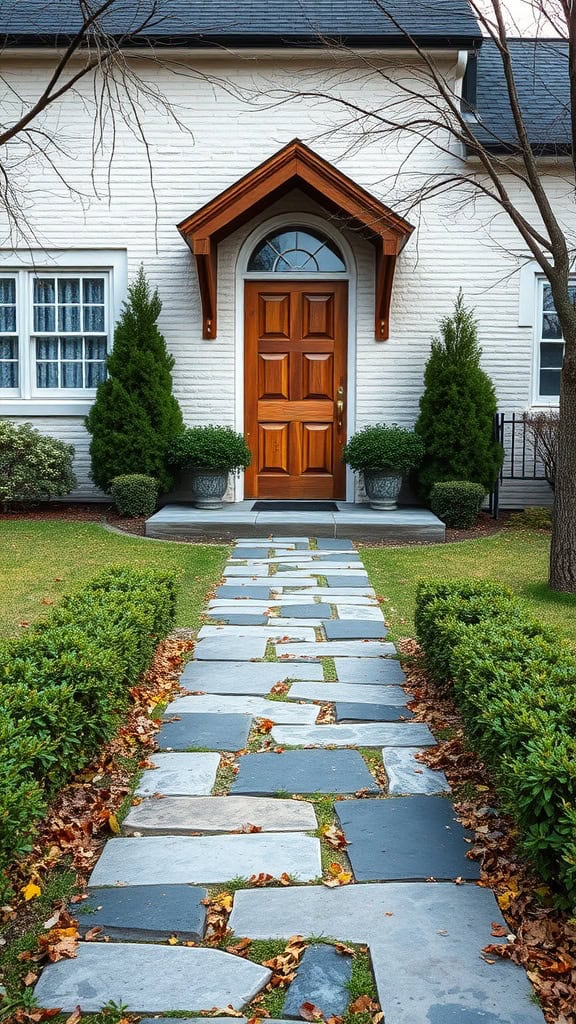
Walnut wood door trim brings sophisticated elegance to your home’s entrance, making guests feel welcomed before they even knock. The rich, dark tones of walnut create a luxurious frame that elevates any door style, from traditional to contemporary. This contrasting trim interior-inspired approach works beautifully on exteriors, especially when your home features lighter siding colors. Walnut’s fine grain and smooth texture give your entryway a high-end custom look that’s hard to achieve with other materials. I particularly love how walnut weathers gracefully, developing deeper character with age. The wood naturally resists warping and holds up remarkably well against temperature changes. For a cohesive look, consider extending walnut trim to nearby windows or shutters. This investment in quality wood trim outside house design increases your home’s value while creating that polished, finished appearance every homeowner desires.
Rustic Cedar Siding Edges
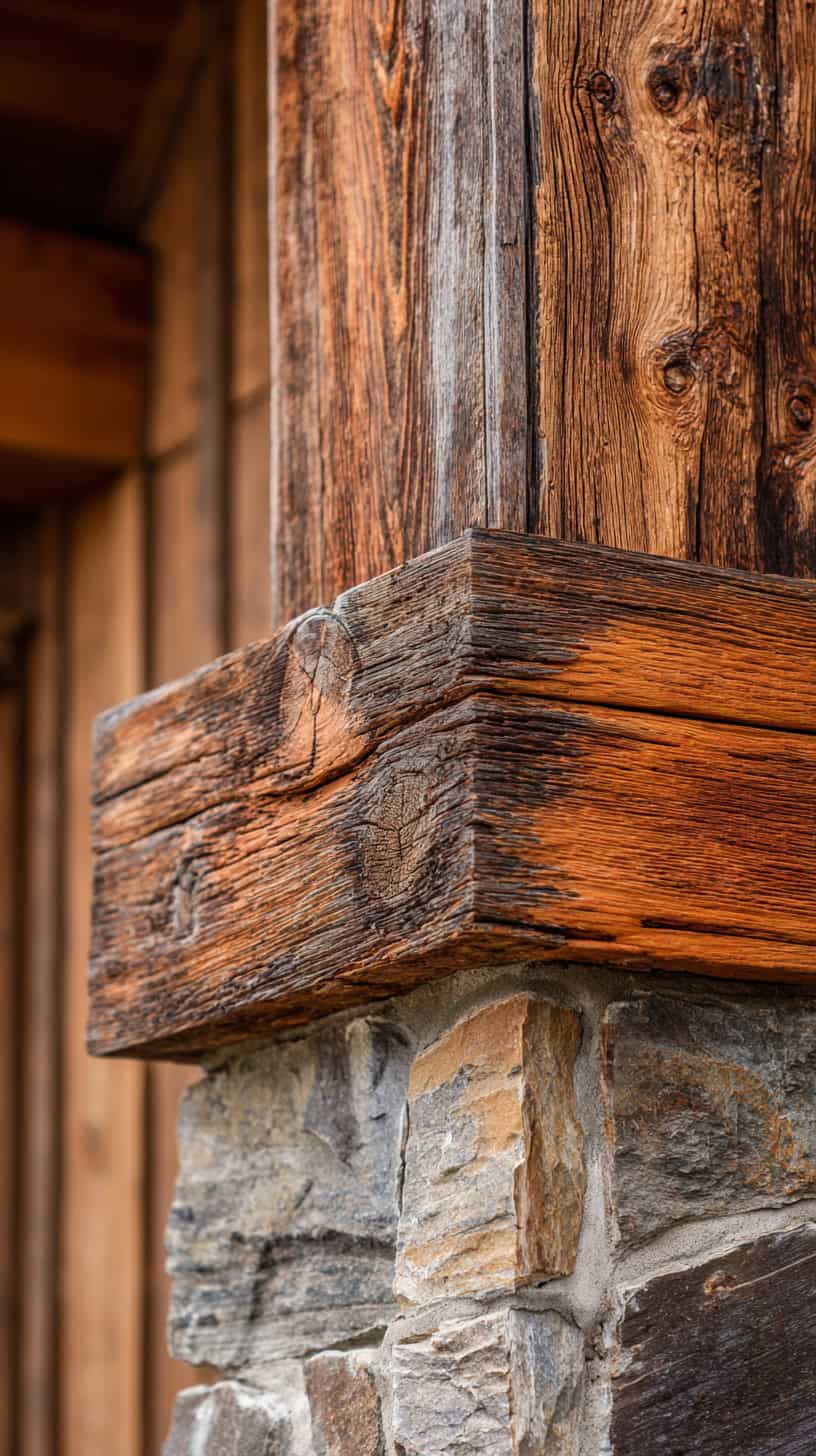
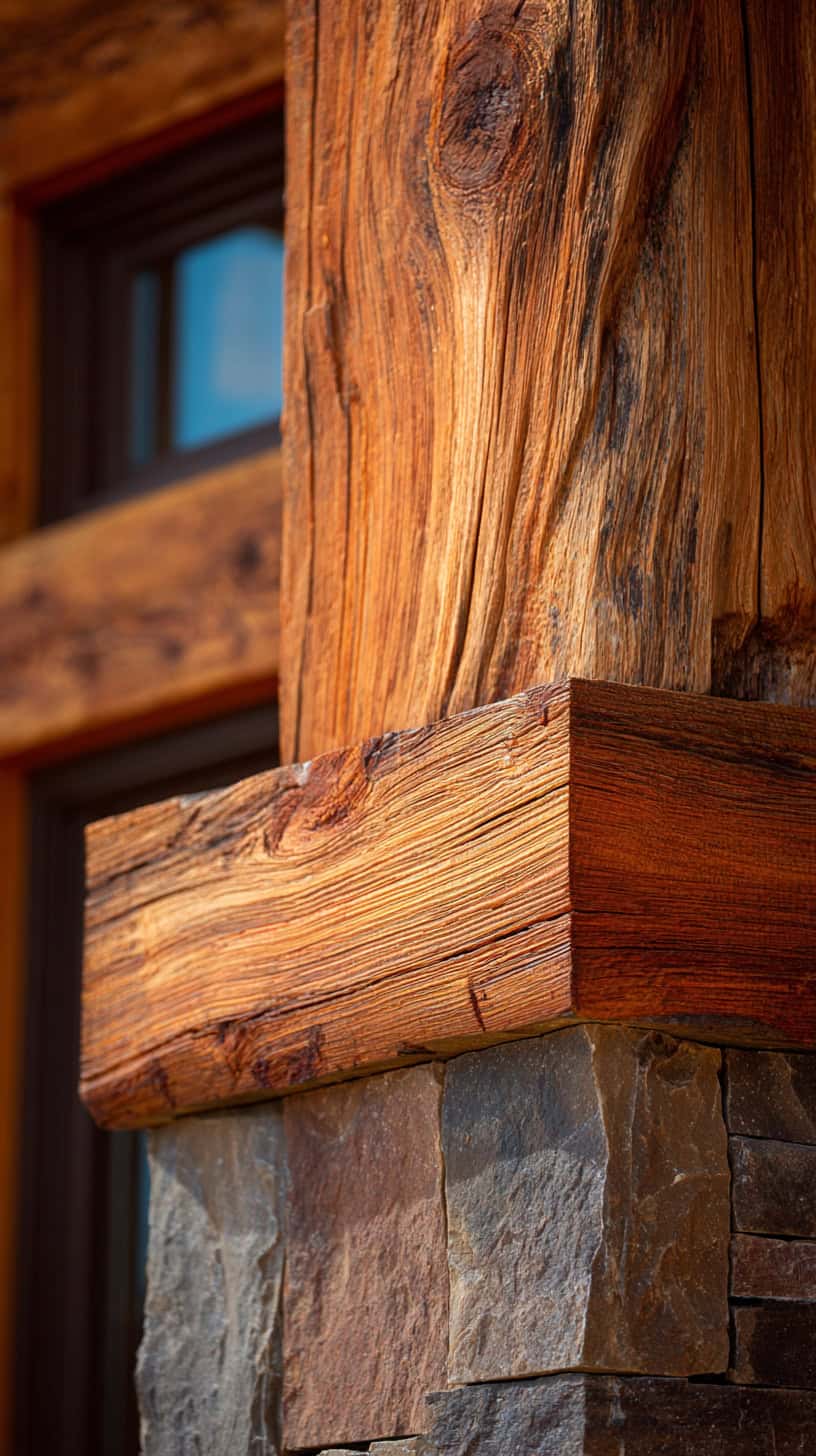
Rustic cedar siding edges provide a charming transition between different exterior materials, adding texture and visual interest to your home’s facade. These natural wood trim accents work perfectly at corners, around windows, or where siding meets stone or brick. Cedar’s rustic character embraces imperfections, knots, and grain variations that give your home authentic personality. This approach captures those rustic trim ideas we all admire in mountain cabins and country homes. The rough-hewn appearance feels casual and approachable, perfect for families who want their home to feel warm and inviting. Cedar naturally weathers to a beautiful silver-gray if left unstained, or you can seal it to maintain its original color. I’ve found that rustic cedar edges soften the lines of modern siding materials, creating a more organic overall appearance. This wood trim outside house solution is budget-friendly while delivering maximum visual impact.
Craftsman Style Wood Brackets
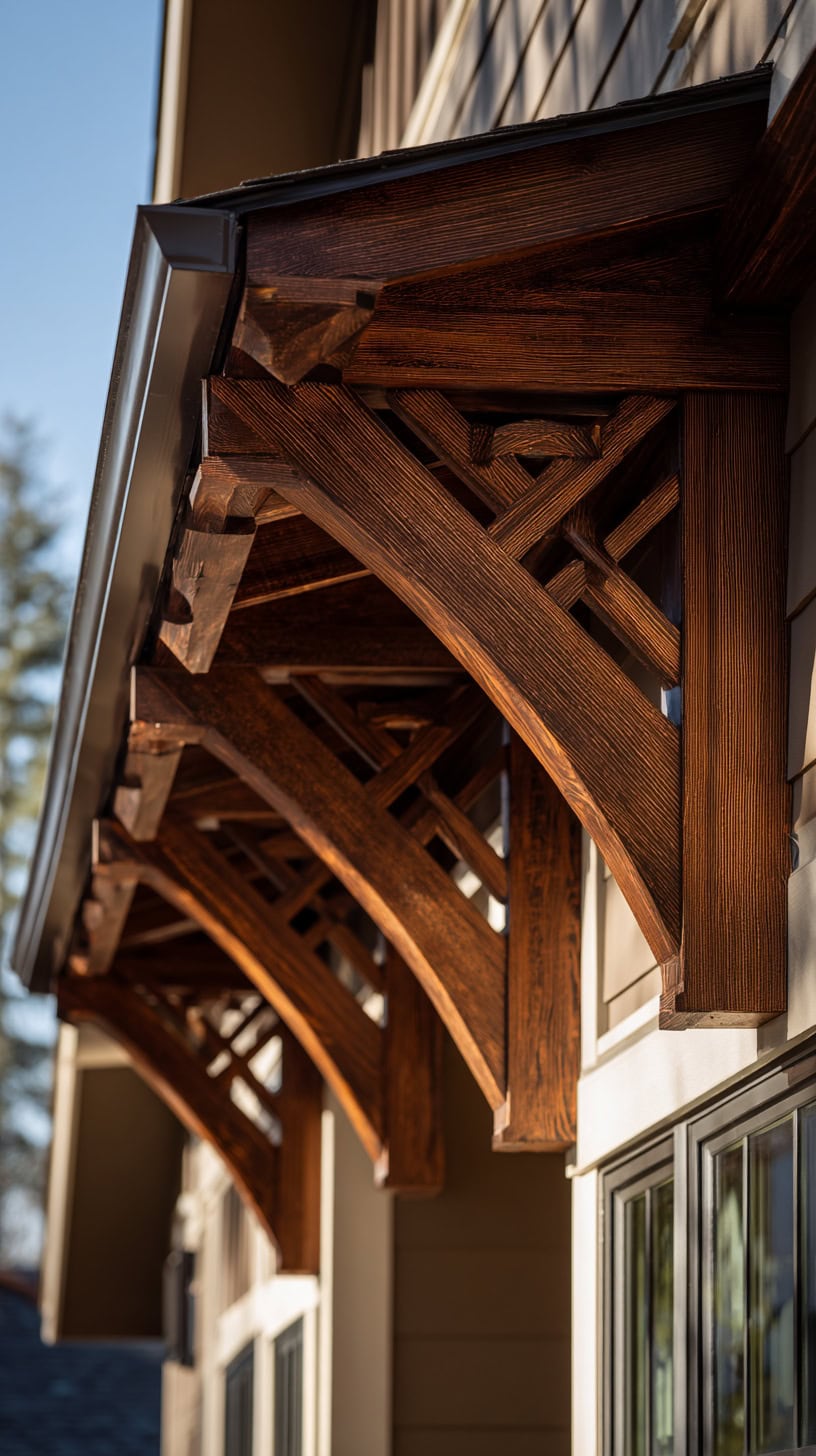
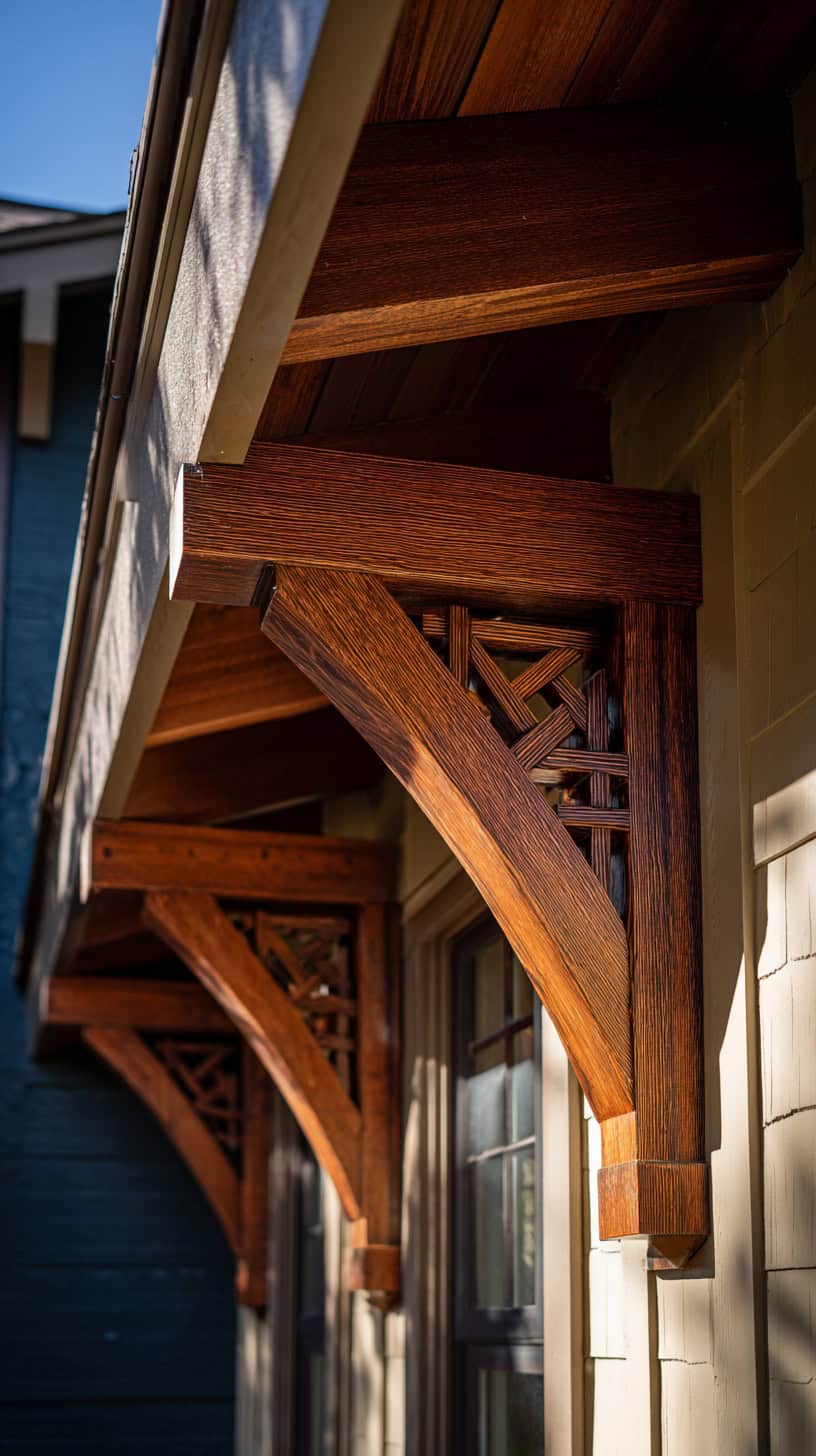
Craftsman style wood brackets are the quintessential architectural detail that defines this beloved American home style. These decorative supports appear under eaves, gables, and porch overhangs, adding both function and beauty to your exterior. The geometric patterns and exposed joinery celebrate woodworking craftsmanship in a way that feels genuine and handcrafted. I love how these brackets create shadows and depth, giving your home dimensional interest that changes throughout the day. This craftsman trim interior aesthetic translates beautifully to exteriors, maintaining consistency if you’ve embraced the style inside. Natural or stained finishes let the wood’s character speak, while the bracket designs range from simple to elaborately detailed. These elements work on bungalows, cottages, and even newer homes wanting that established, timeless appeal. Installing wood brackets is a relatively simple upgrade that dramatically transforms your home’s personality and curb appeal without major renovation.
Earthy Brown Trim Panels
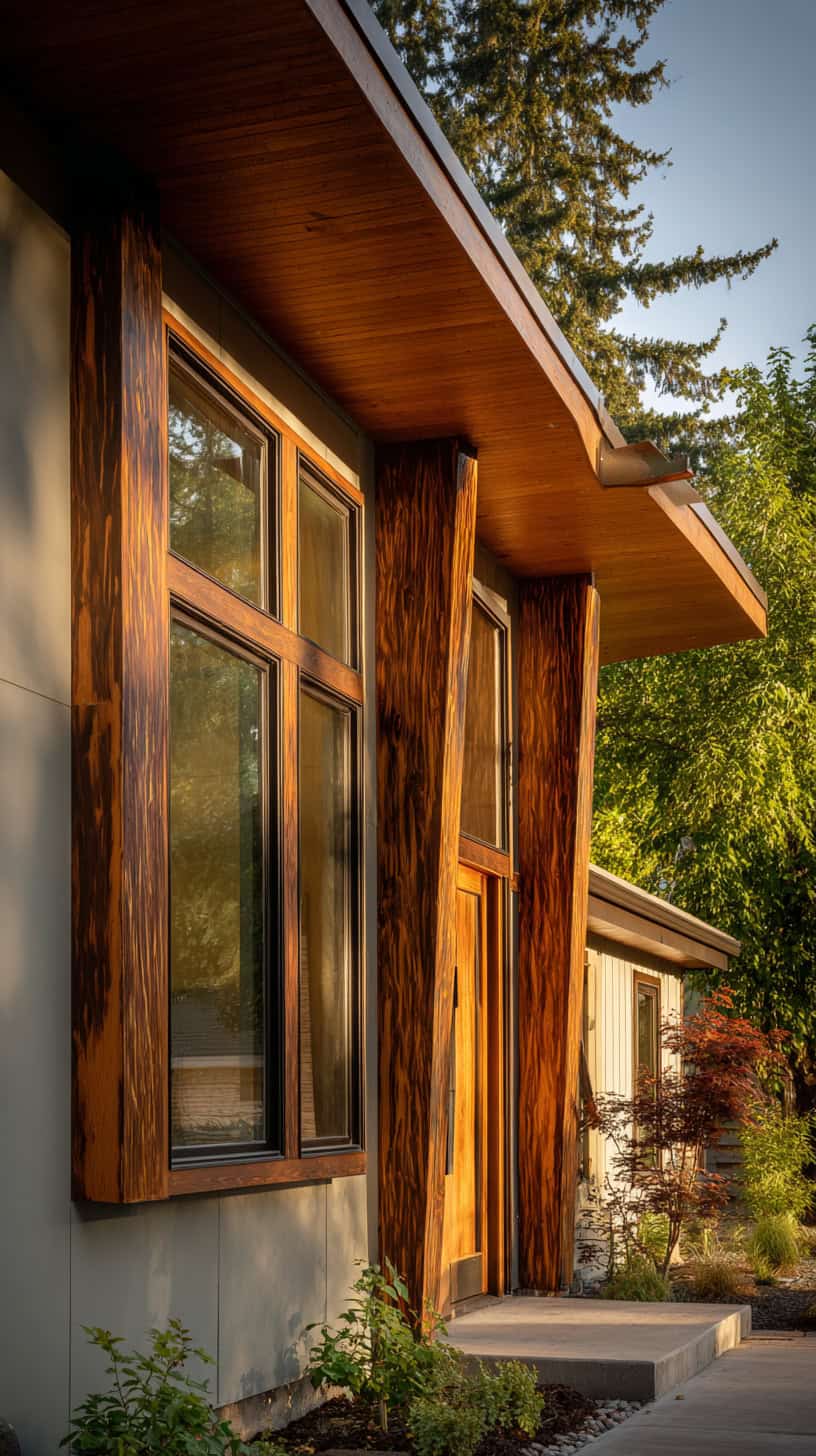
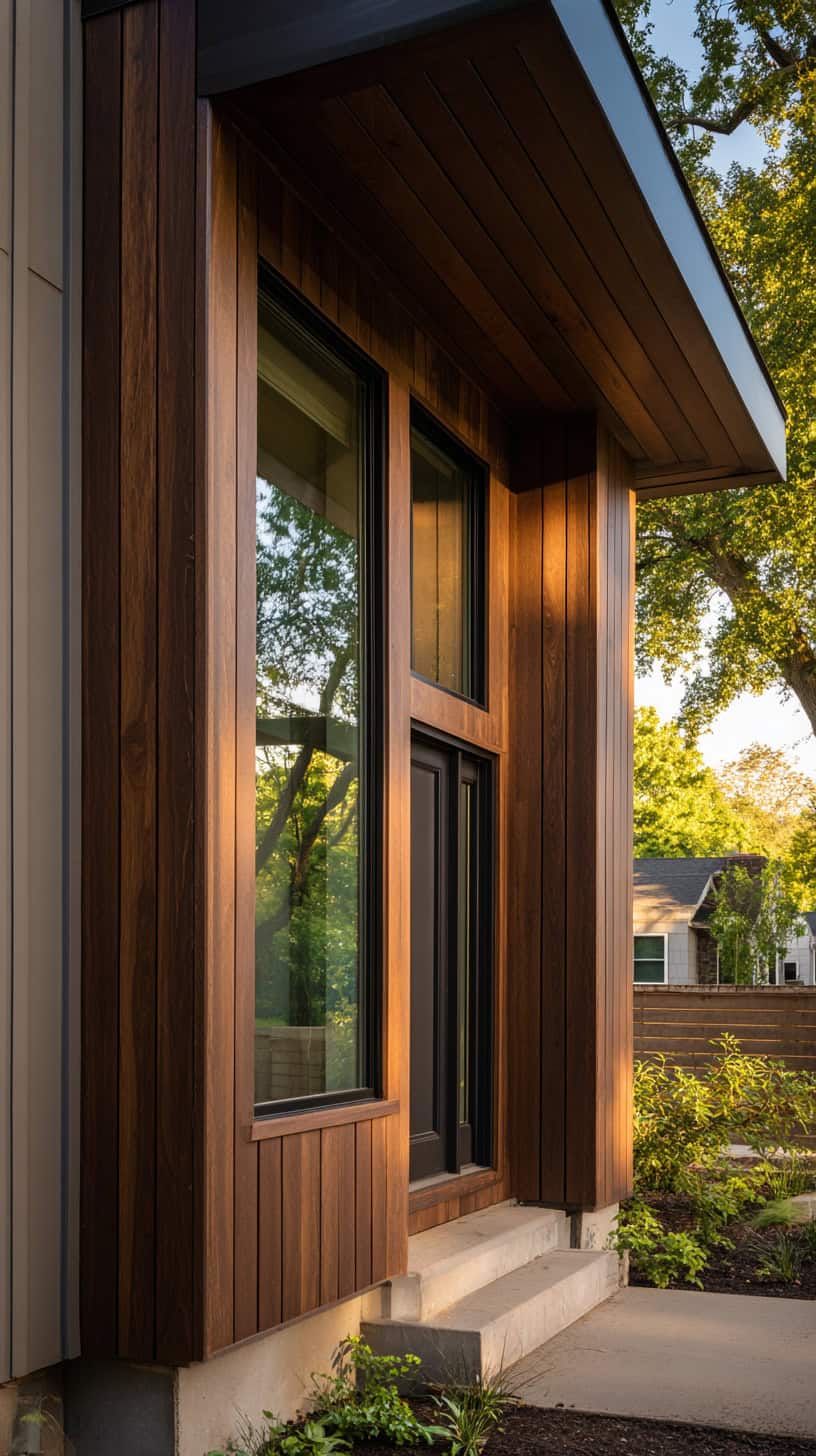
Earthy brown trim panels bring a grounded, natural aesthetic that connects your home to its landscape surroundings. These wood trim outside house features work wonderfully as accent panels beside doorways, under windows, or creating vertical interest on larger wall expanses. The brown trim interior trend has moved outdoors, with homeowners embracing these warmer tones instead of traditional white trim. I’ve noticed how brown tones make homes feel more organic and less stark, especially in wooded or natural settings. These panels can be smooth or textured, depending on whether you prefer contemporary or rustic styling. The earthy palette coordinates beautifully with stone, brick, and natural fiber elements in your landscaping. This approach requires thoughtful planning to ensure the brown tones complement rather than compete with your siding color. For families seeking a more relaxed, nature-inspired exterior, earthy brown trim panels offer a refreshing alternative to conventional choices.
Contrasting White Wood Trim

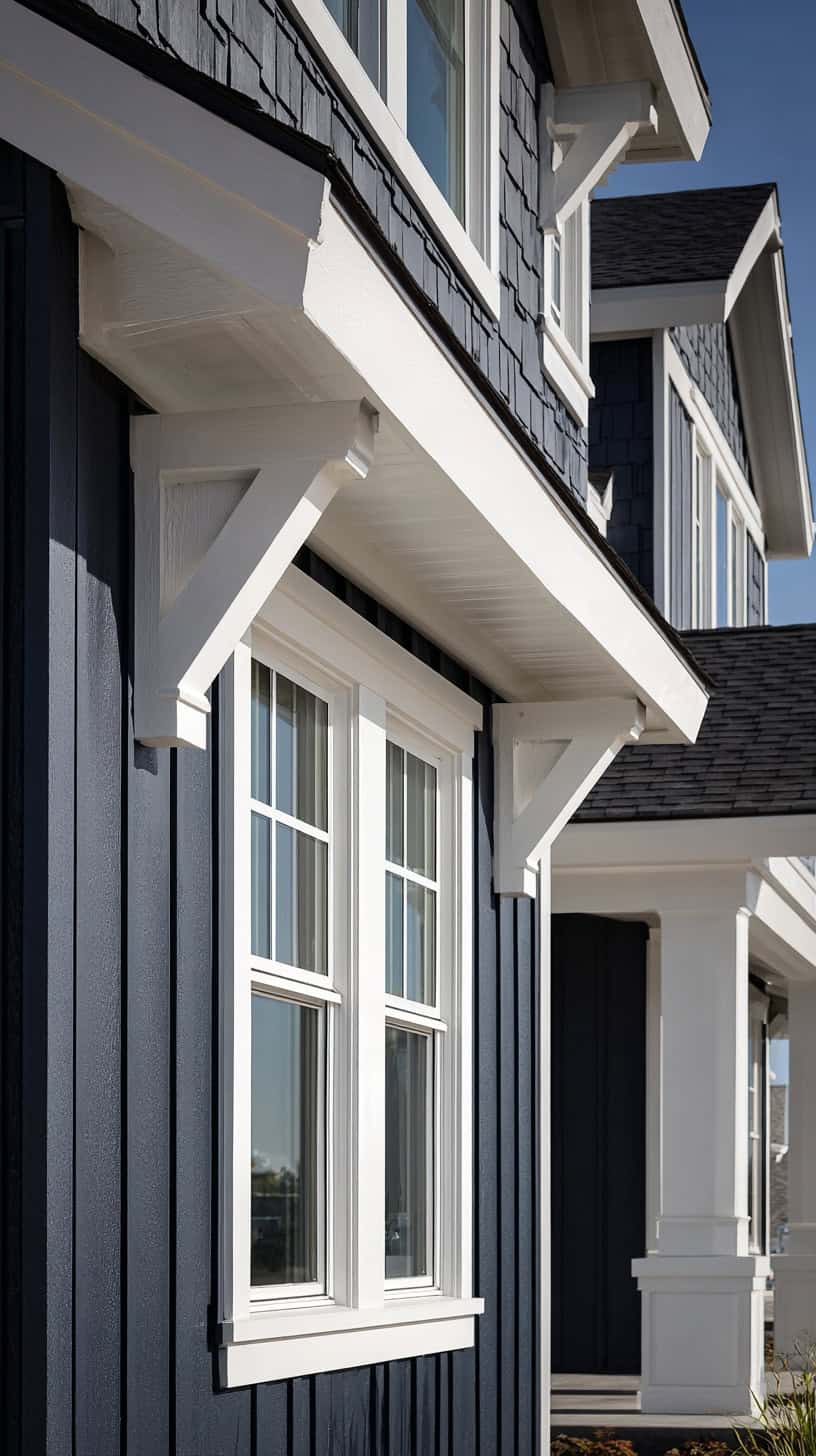
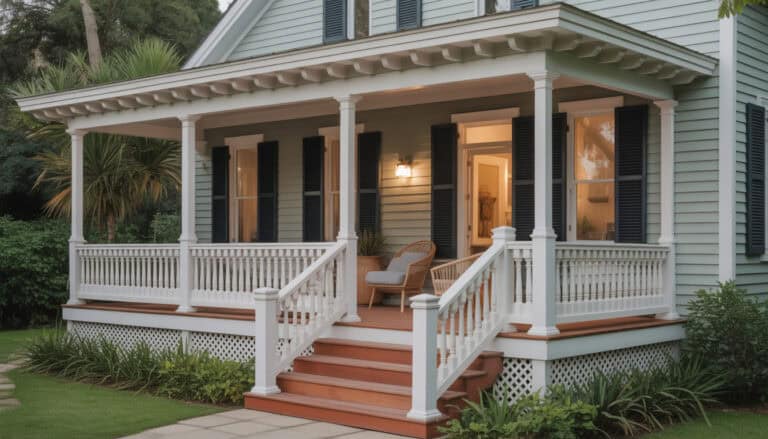
Contrasting white wood trim creates crisp, clean lines that define your home’s architectural features with striking clarity. This classic contrasting trim interior approach works beautifully on exteriors, making windows, doors, and corners pop against darker siding colors. White trim brightens your home’s appearance, reflecting light and making the entire structure feel more open and welcoming. I love how this combination works across all architectural styles, from colonial to contemporary, farmhouse to coastal. The white walls with wood trim concept can be reversed on exteriors, using natural or stained wood siding with white trim for equally stunning results. This high-contrast look requires regular maintenance to keep the white looking fresh, but the visual impact is absolutely worth it. The combination helps smaller homes appear larger and gives larger homes better definition and proportion. For a polished, timeless exterior that never goes out of style, contrasting white wood trim delivers consistently beautiful results.
Biophilic Ipe Wood Accents
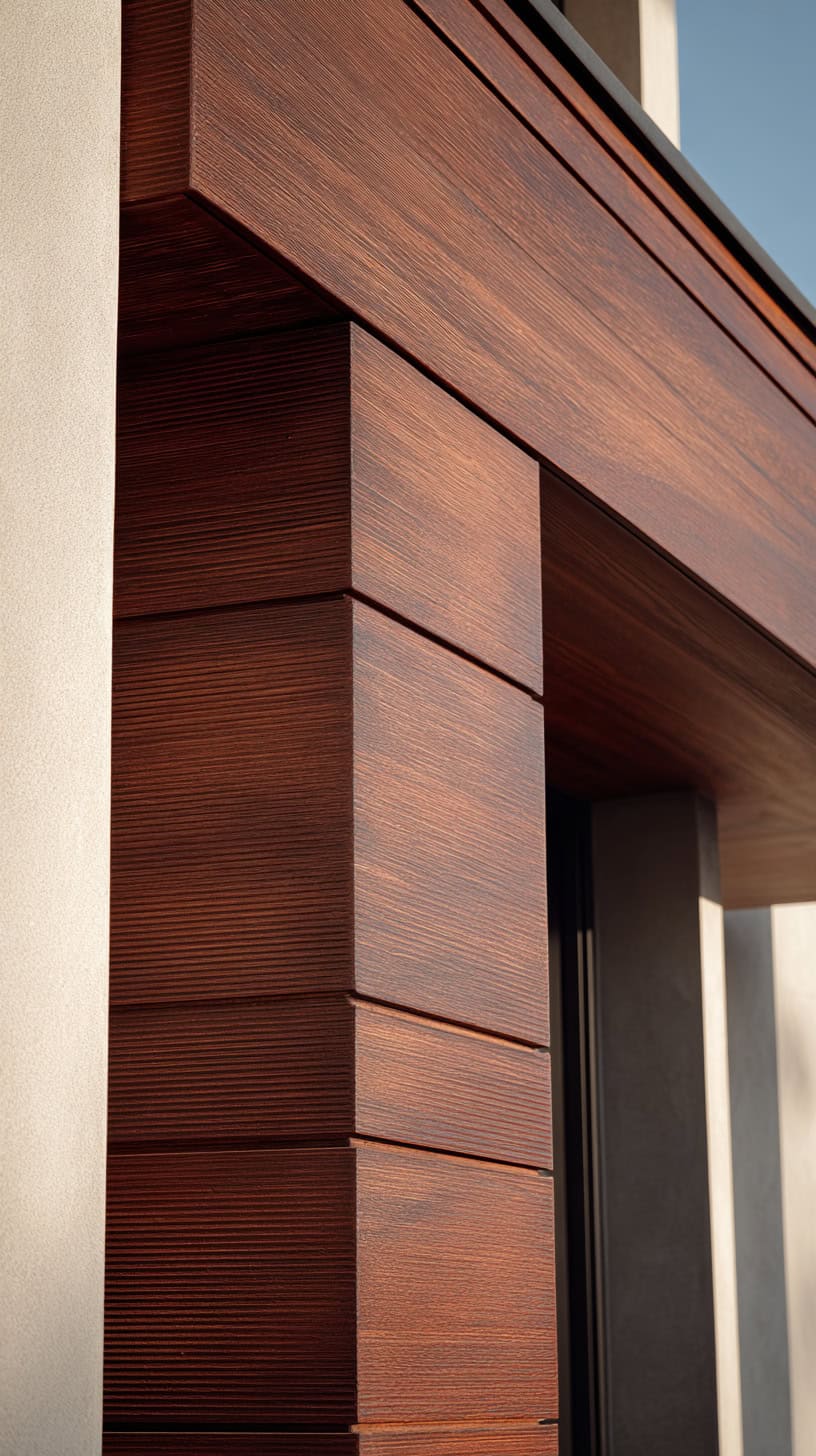
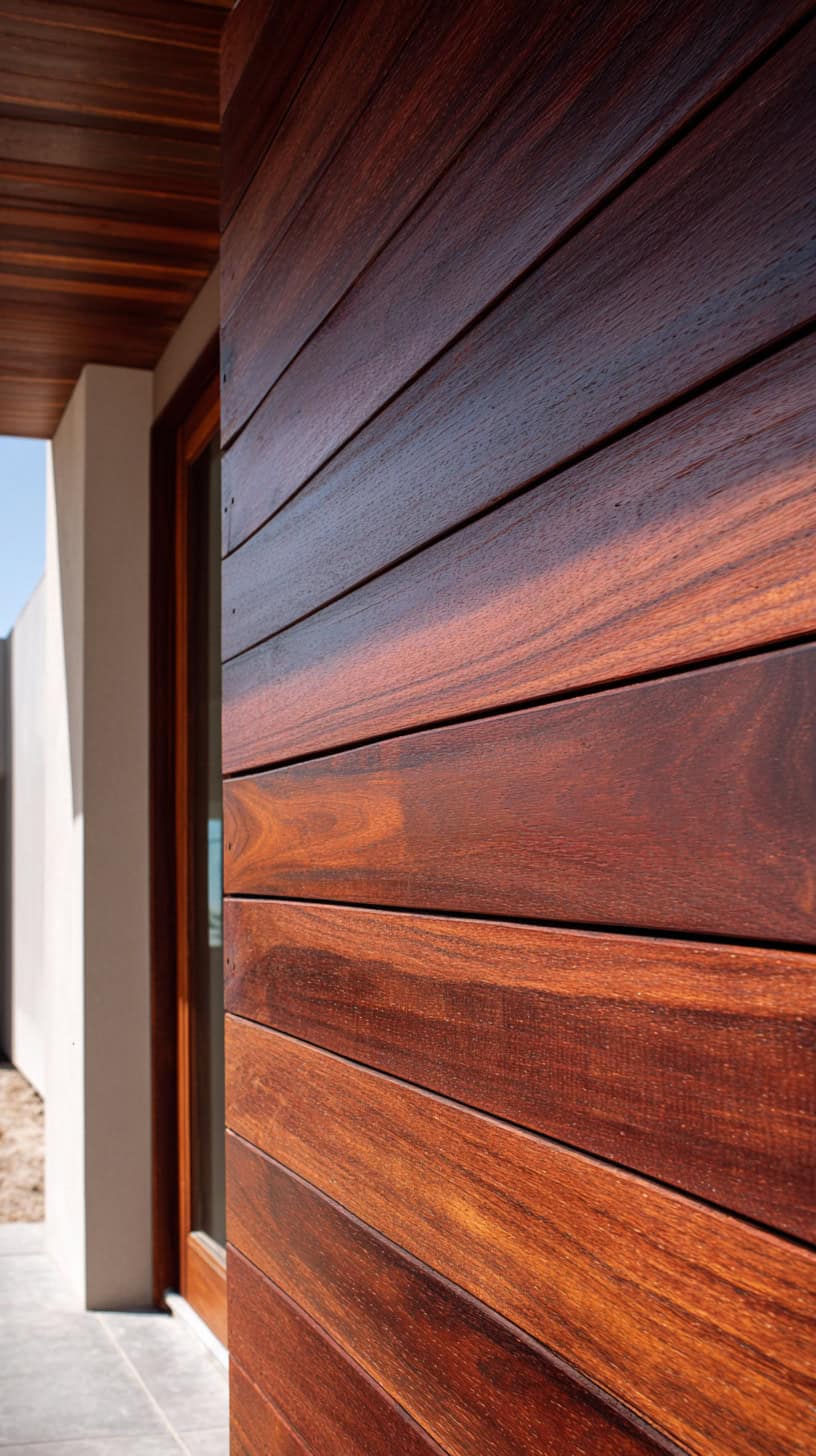
Biophilic ipe wood accents bring the warmth and luxury of tropical hardwood to your home’s exterior while connecting your living space to nature. Ipe is incredibly dense and naturally resistant to rot, insects, and weather, making it perfect for outdoor applications that need to last. The rich reddish-brown color adds depth and sophistication to any exterior design scheme. I’m always impressed by how ipe maintains its beauty with minimal maintenance, aging gracefully to a distinguished silver-gray if left untreated. These wood trim ideas work beautifully as decorative panels, window surrounds, or accent strips that draw attention to architectural features. The biophilic design approach recognizes our innate connection to natural materials, making spaces feel more comfortable and inviting. Ipe’s premium appearance elevates your home’s curb appeal significantly, suggesting quality and attention to detail. Though more expensive than other woods, ipe’s longevity and beauty make it a worthwhile investment.
Warm Light Oak Fascia
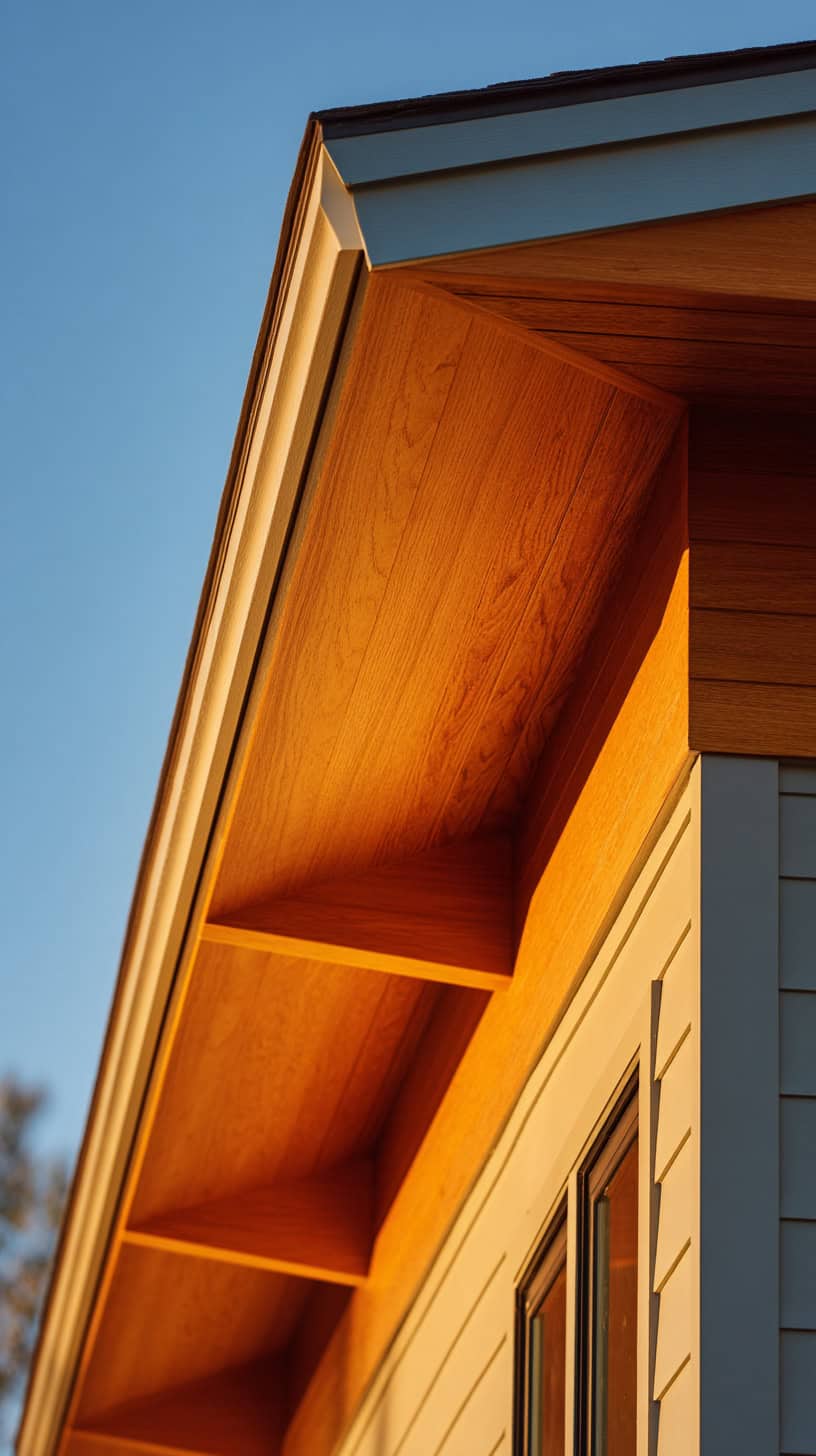
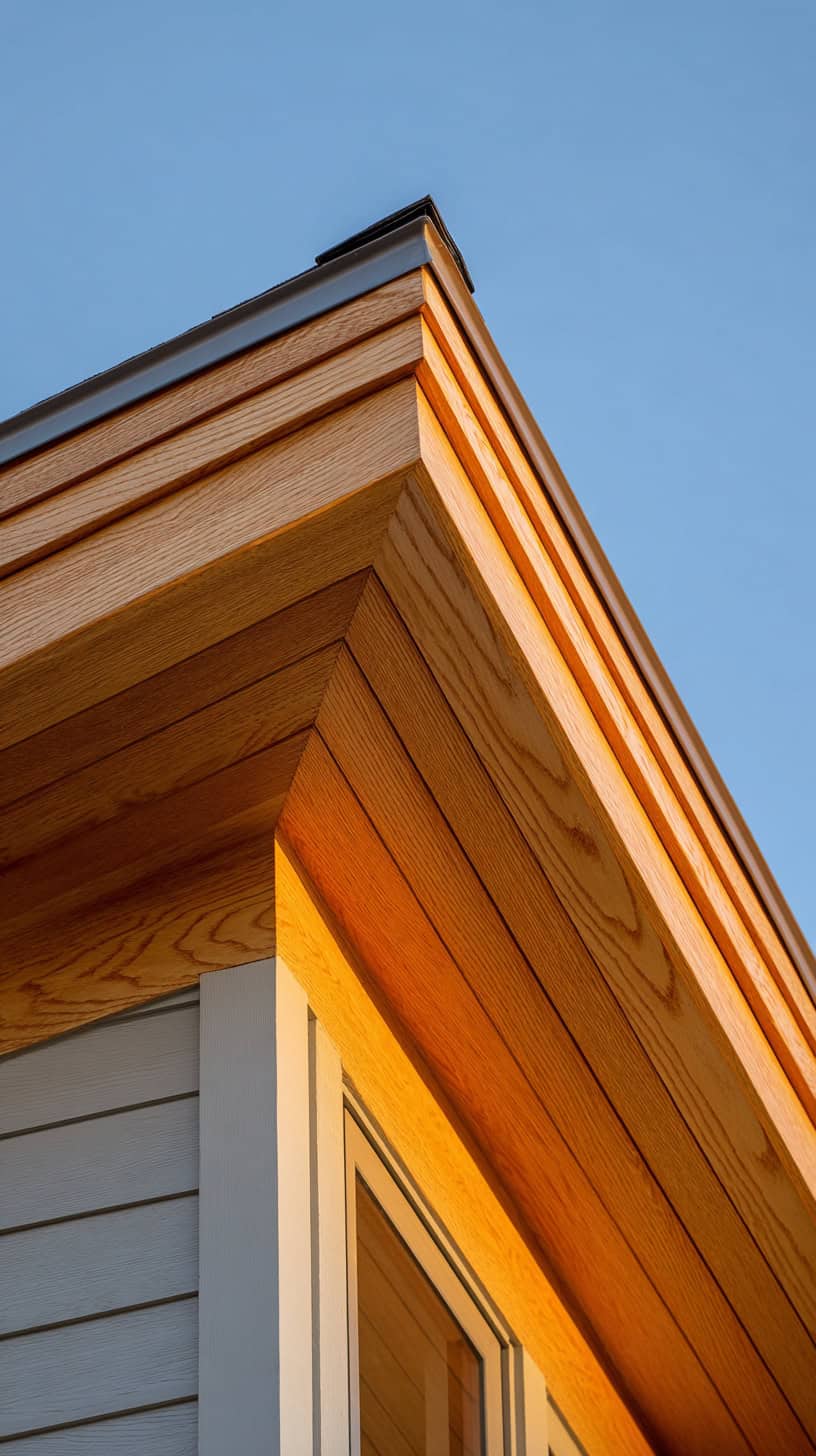
Warm light oak fascia boards create a soft, welcoming border along your roofline that enhances your home’s overall proportions. This natural wood trim catches and reflects light beautifully, adding subtle warmth without overwhelming your exterior color scheme. Oak’s light tones work particularly well with neutral siding colors, creating gentle contrast that feels sophisticated rather than stark. I appreciate how oak fascia gives traditionally painted trim areas an organic, natural upgrade that feels both modern and timeless. The wood’s visible grain adds texture and interest when viewed from below, rewarding those who look closely at your home’s details. Light oak coordinates beautifully with white walls with wood trim combinations, maintaining the bright, airy feeling while introducing natural elements. This wood trim outside house application requires proper sealing to protect against weather, but the maintenance is manageable. For families wanting a fresh take on exterior trim, light oak fascia offers warmth without heaviness.
Rich Walnut Gable Trim
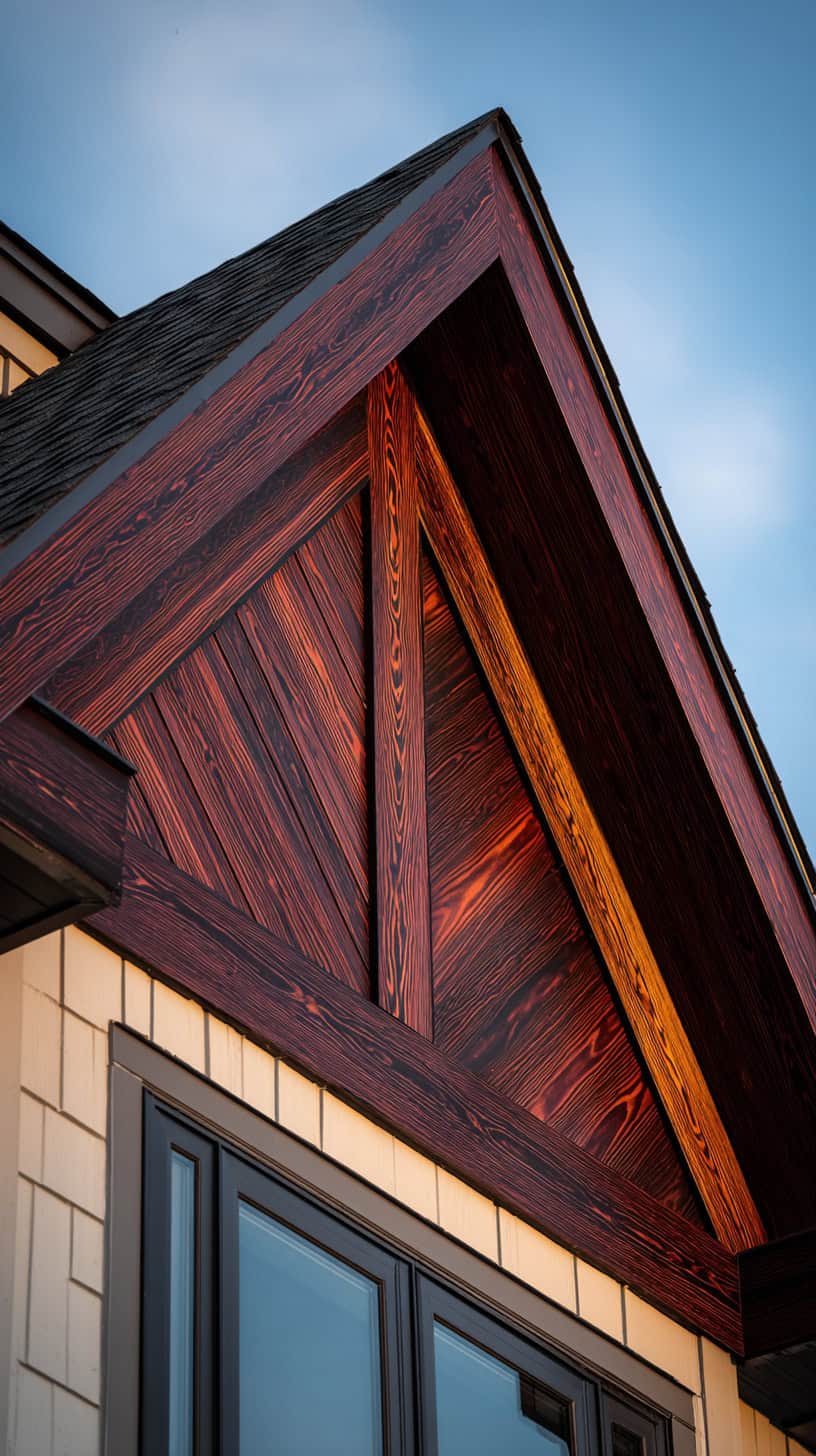
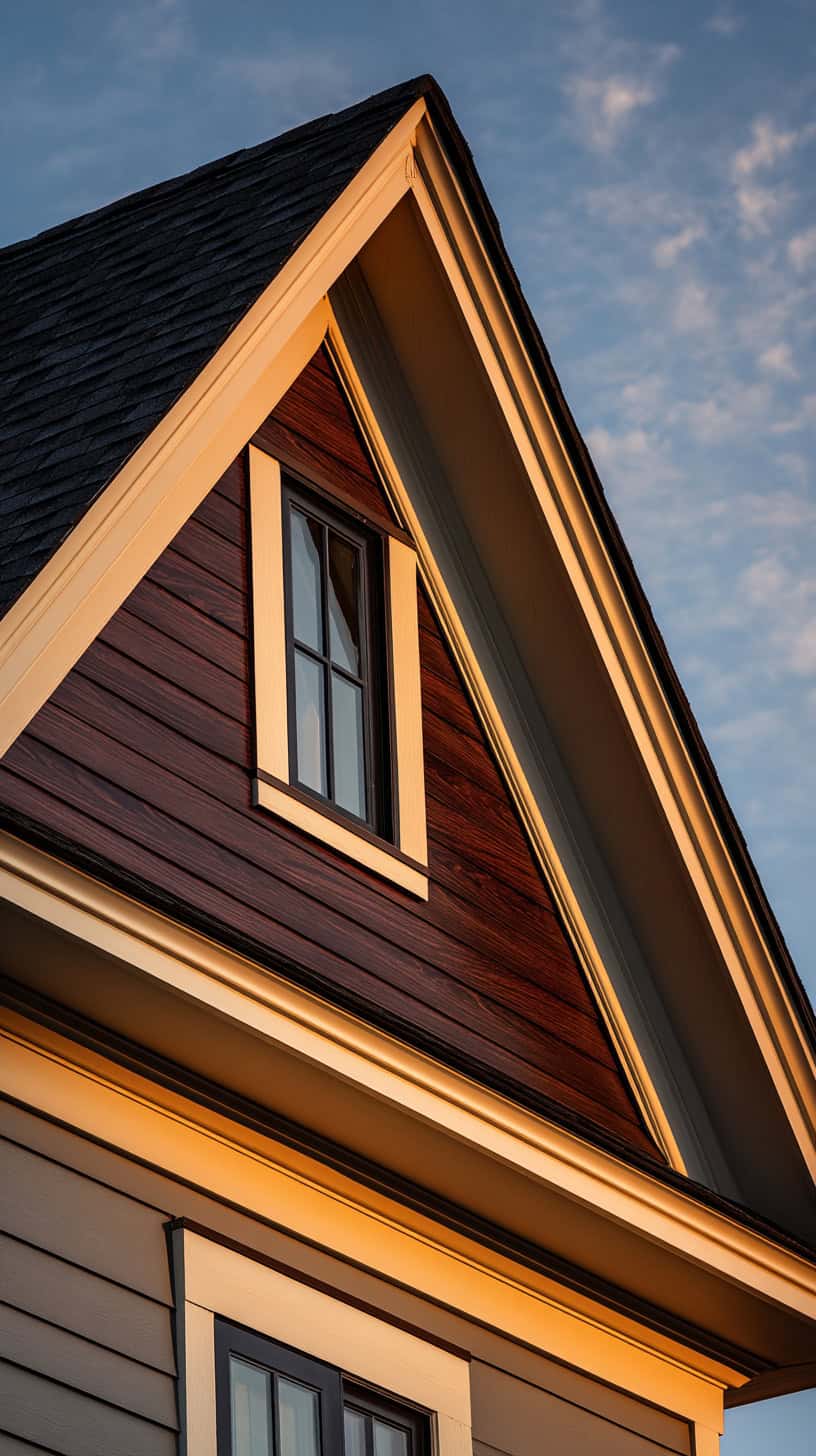
Rich walnut gable trim transforms your home’s upper architecture into a dramatic focal point that commands attention from the street. The deep chocolate tones of walnut create stunning contrast against lighter siding, defining your roofline with sophistication and strength. This wood trim outside house feature works especially well on homes with interesting gable designs, emphasizing their architectural character. I love how walnut’s natural elegance elevates even simple home styles, giving them a custom, high-end appearance. The dark tones recede visually, making gables appear more prominent and purposefully designed rather than afterthoughts. Walnut pairs beautifully with both warm and cool color palettes, adapting to your home’s overall aesthetic. This contrasting trim interior principle applies perfectly to exteriors, creating definition and visual interest. Though walnut requires investment, its durability and timeless beauty make it a smart choice for lasting curb appeal and increased home value.
Textured Cedar Corner Boards
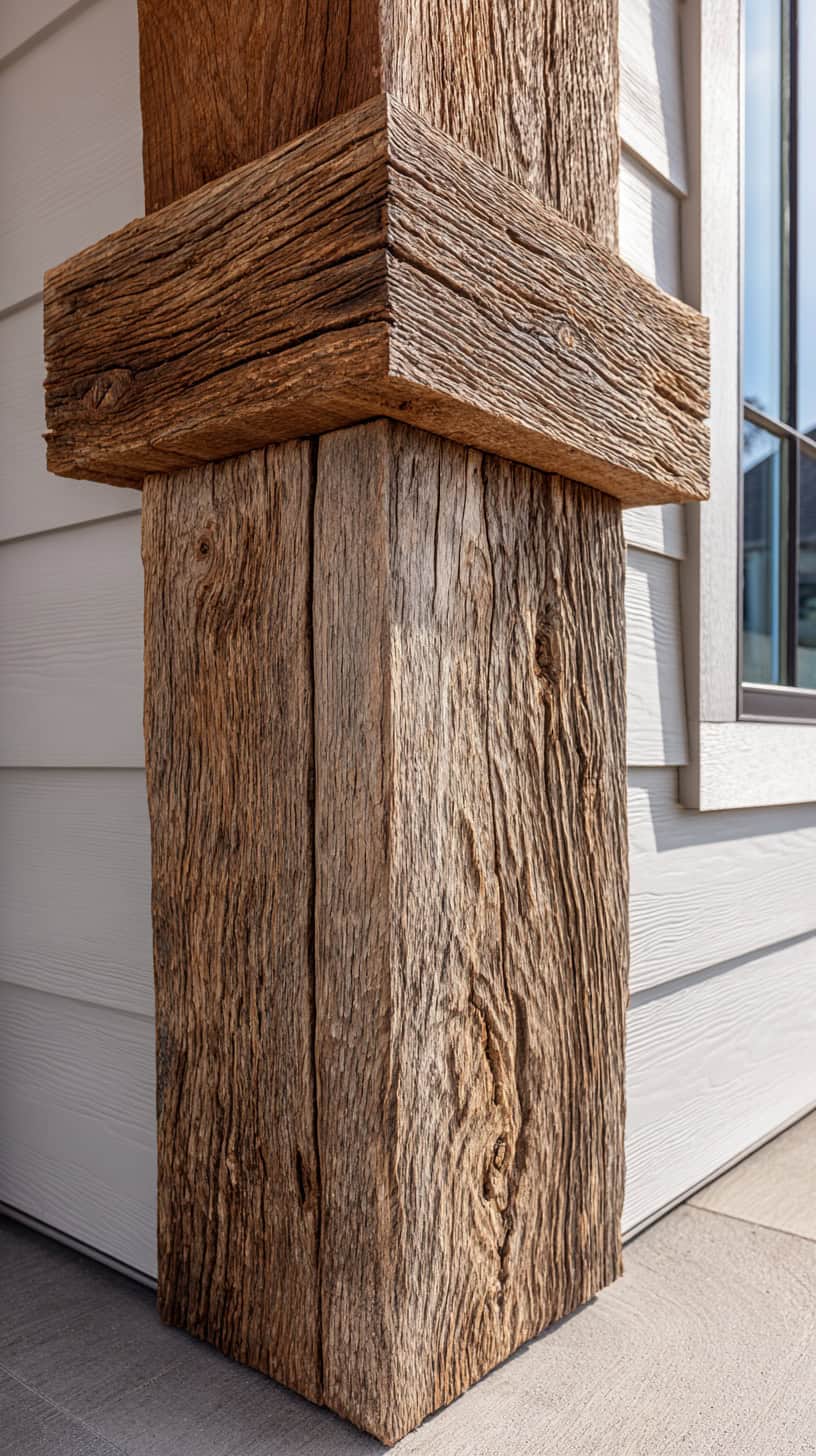
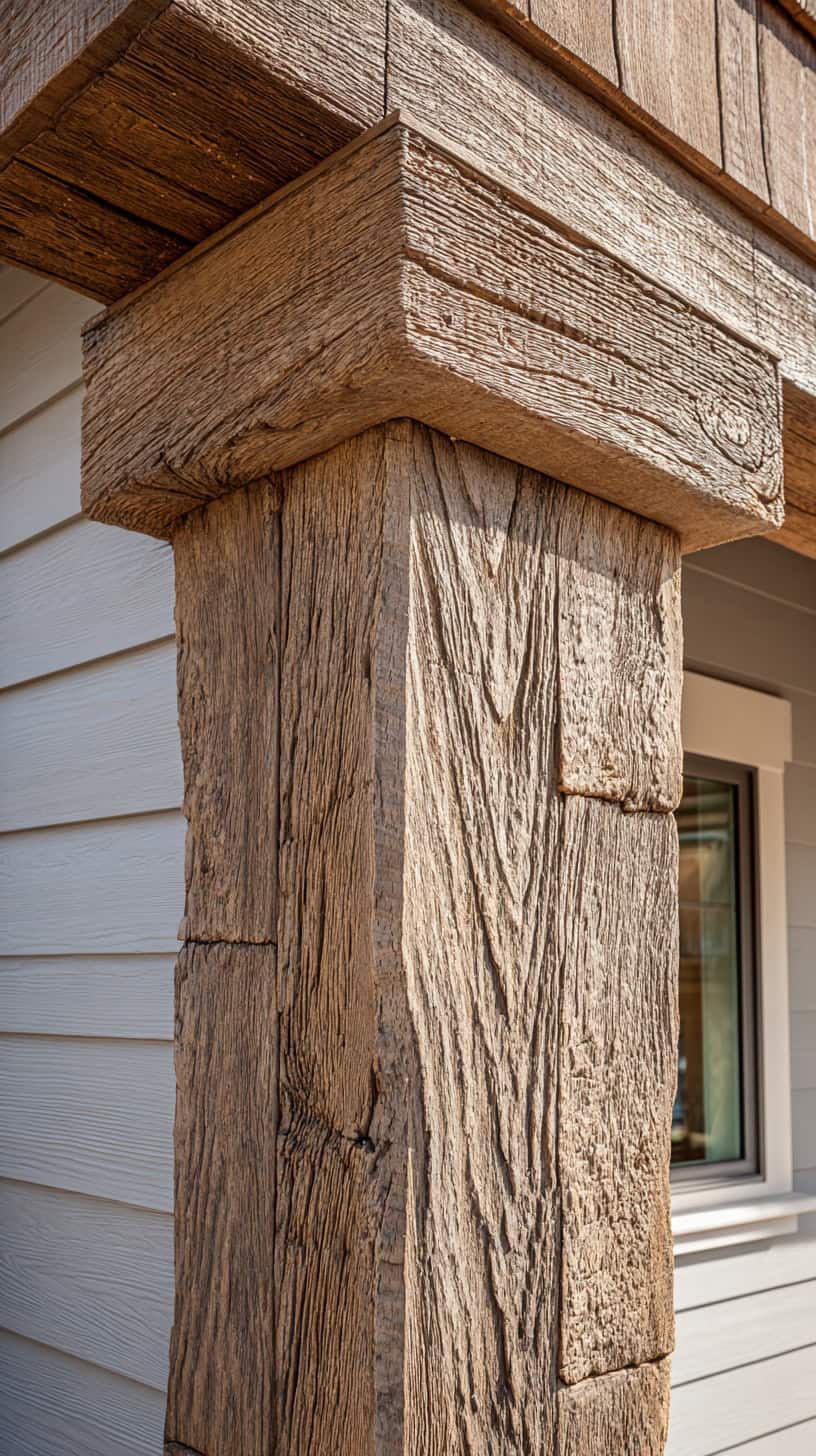
Textured cedar corner boards provide vertical emphasis that strengthens your home’s visual foundation while adding rustic charm. These substantial wood trim pieces frame your home’s corners, creating clean transitions between wall surfaces. The natural texture of cedar adds dimensional interest that painted trim simply cannot replicate. I’ve found that corner boards make homes appear more substantial and well-built, suggesting quality construction throughout. This rustic trim ideas approach works wonderfully on farmhouse, cottage, and craftsman style homes where natural materials feel authentic. Cedar’s texture catches light differently throughout the day, creating ever-changing shadow patterns that keep your exterior visually interesting. The wood naturally resists moisture and insects, making it practical for these exposed vertical positions. Installing textured cedar corners is a relatively affordable upgrade that delivers significant visual impact, transforming your home’s appearance with straightforward carpentry work that many homeowners can tackle themselves.
Matte Stained Wood Shutters
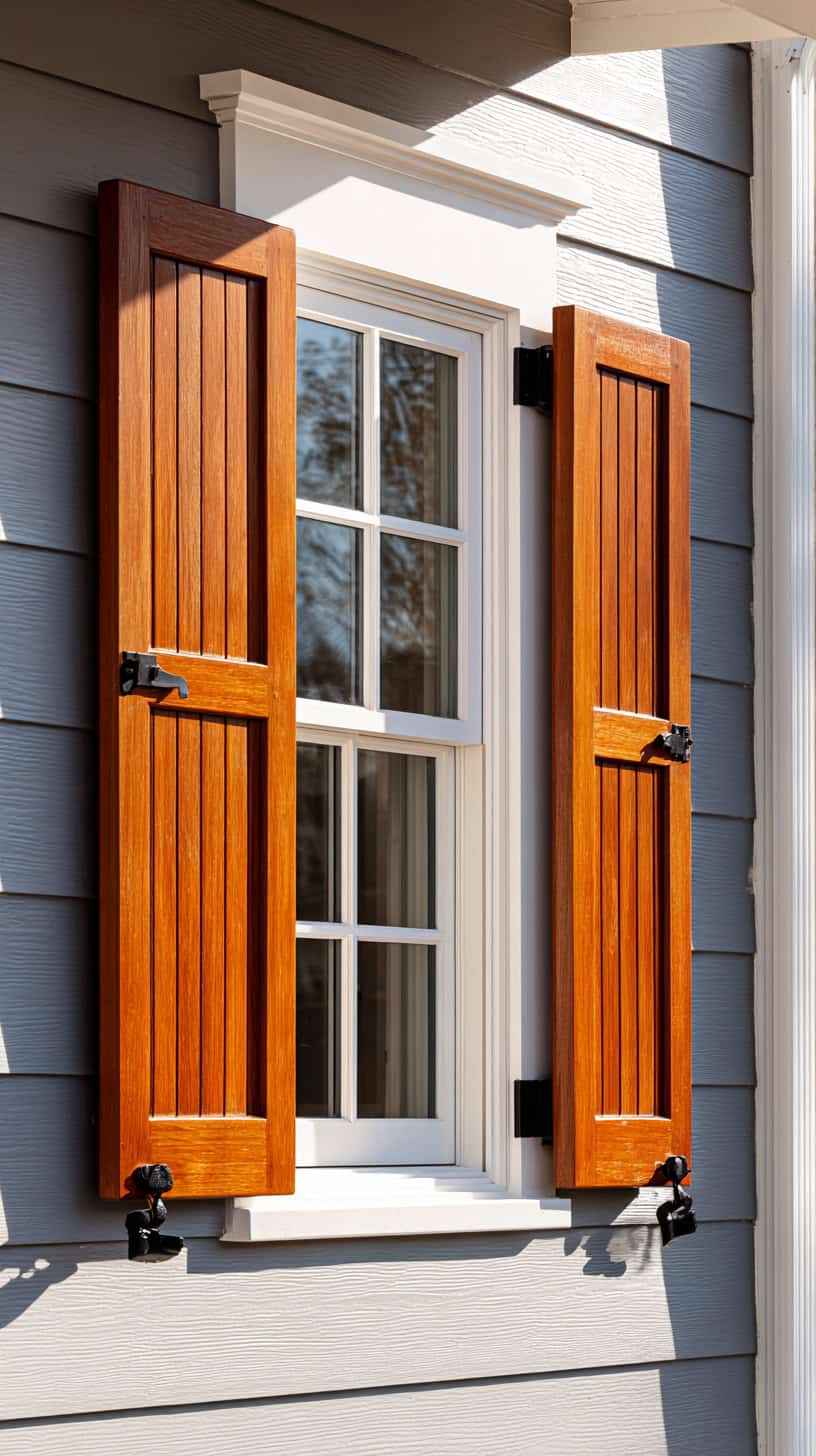
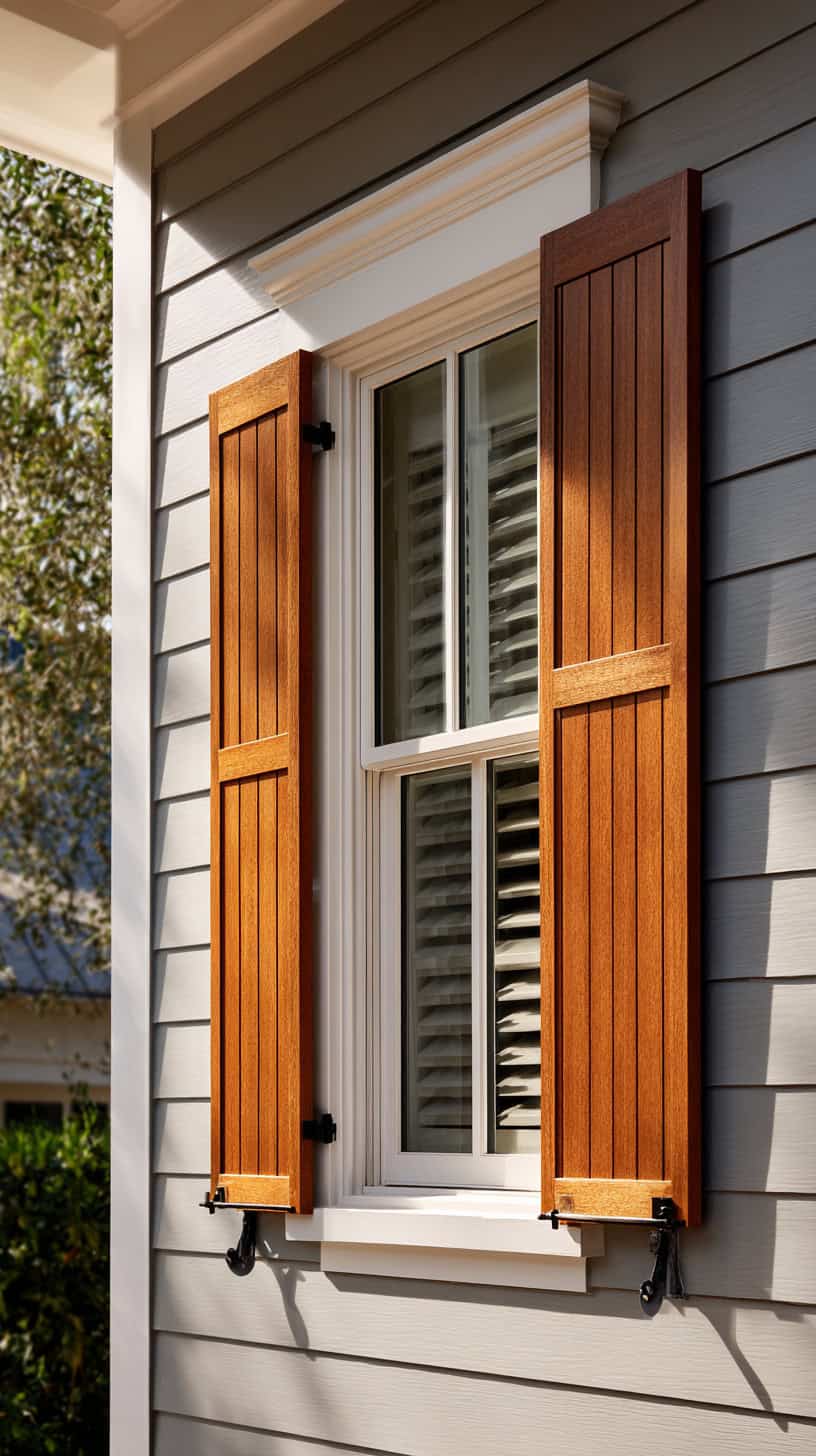
Matte stained wood shutters add depth and traditional charm to windows while introducing natural wood tones to your exterior palette. Unlike glossy finishes, matte stains let the wood’s natural character show through without excessive shine that can look artificial. These functional or decorative elements frame windows beautifully, creating balanced proportions and visual interest. I love how wood shutters bring warmth to homes that might otherwise feel too stark or modern. The matte finish is forgiving, hiding minor imperfections while showcasing the wood grain’s inherent beauty. This wood trim outside house feature works across architectural styles, from colonial to coastal, adapting to your home’s personality. Stained trim interior principles apply here too, where warm wood tones create welcoming, grounded spaces. Proper installation ensures shutters look purposeful rather than tacked-on, with sizing and placement that appears historically appropriate. For homeowners wanting authentic character, matte stained wood shutters deliver timeless appeal.
Mixed Stone Wood Trim
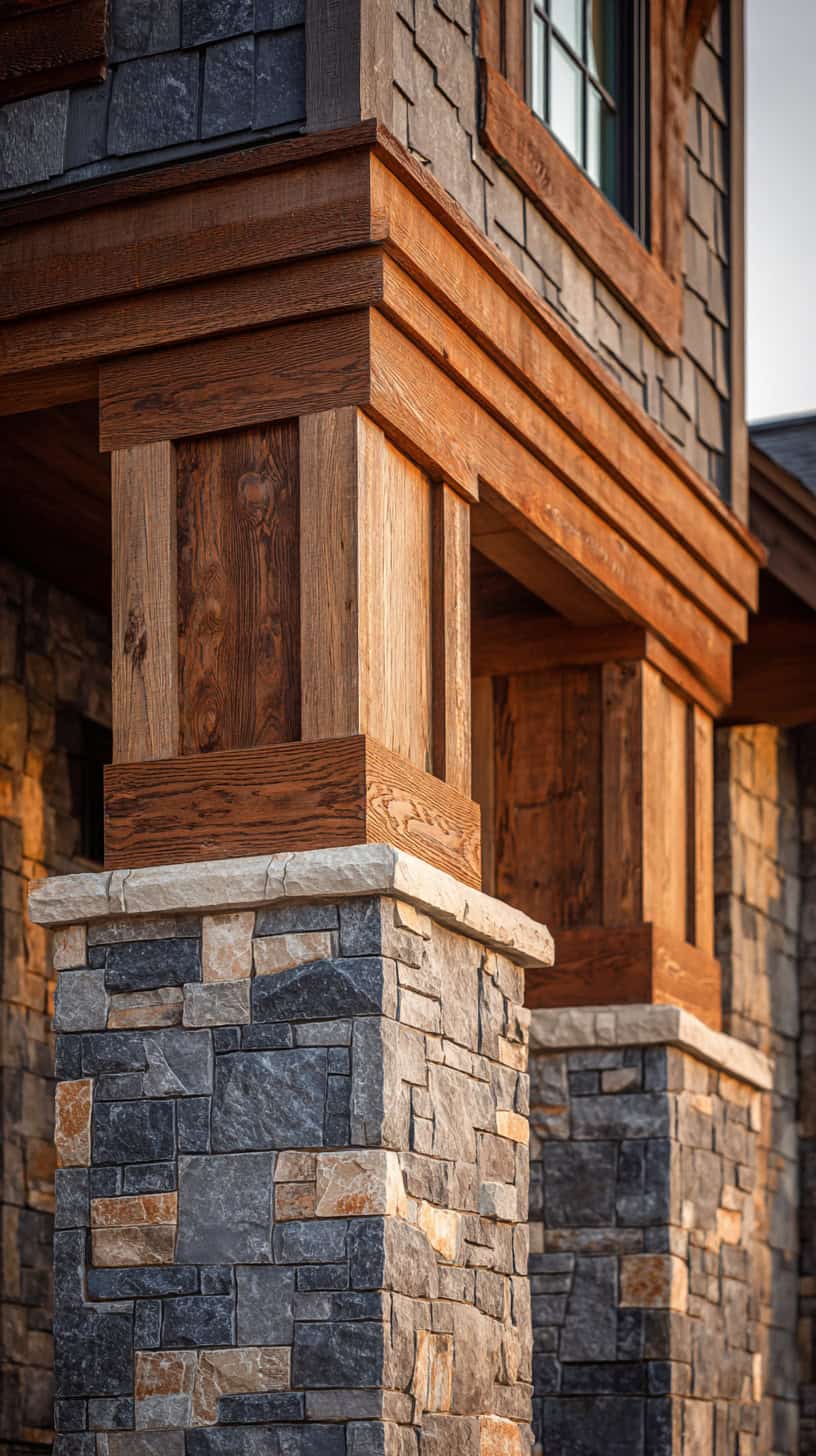
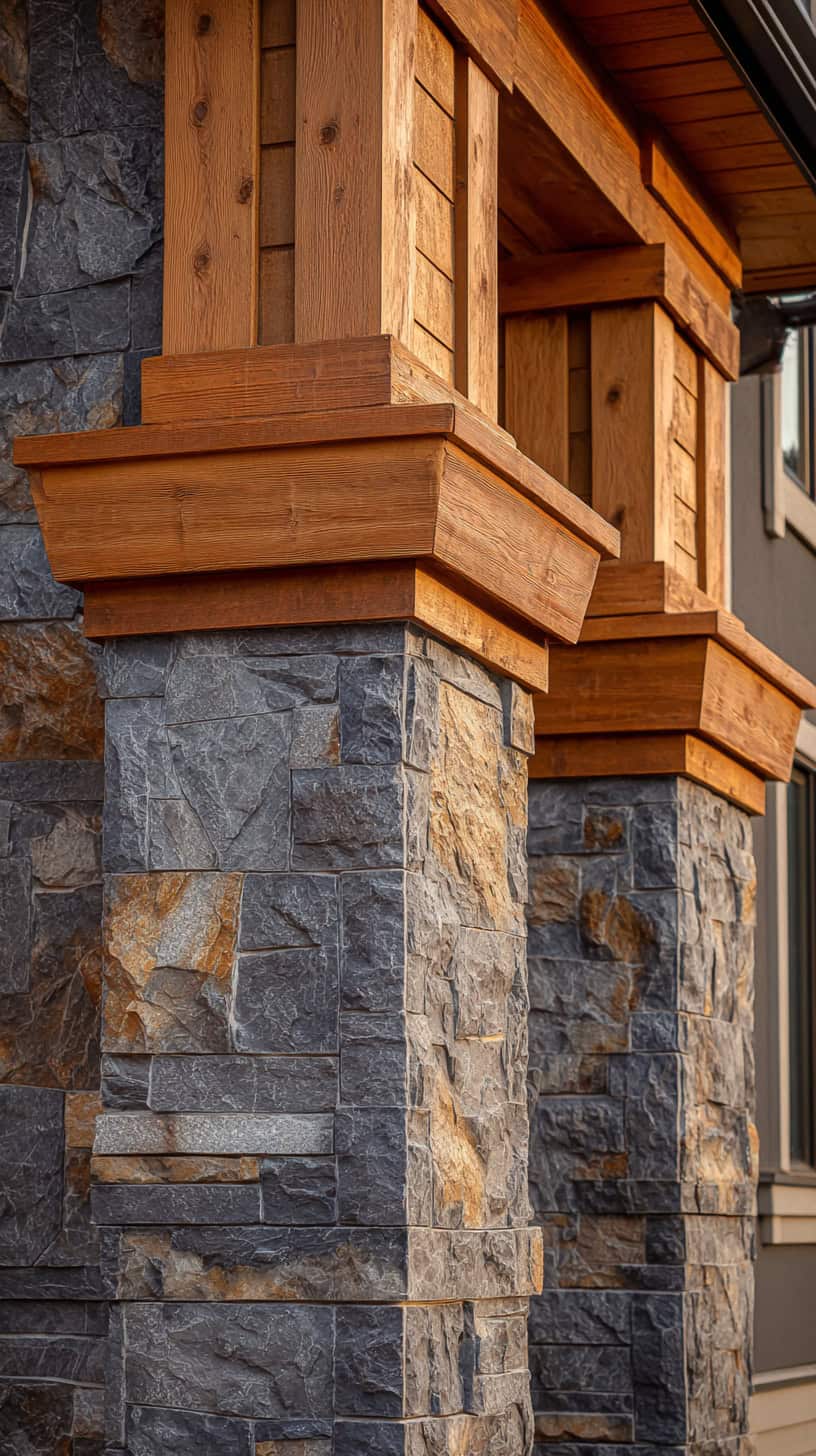
Mixed stone wood trim combines natural materials for a layered, organic exterior that feels both sophisticated and grounded. This approach uses wood trim to frame and transition between stone veneer sections, creating cohesive connections between different materials. The warm tones of natural wood trim complement stone’s earthy colors perfectly, enhancing both materials’ inherent beauty. I’ve seen this combination transform ordinary homes into stunning showcases that look custom-designed and thoughtfully detailed. Wood provides warmth and softness that balances stone’s cool, hard surfaces, creating visual harmony. This works beautifully around entryways where stone columns or accents meet wood siding or trim. The mixed material approach adds texture and depth, preventing your exterior from feeling flat or monotonous. Installation requires careful planning to ensure materials transition smoothly, but the results are absolutely worth the extra effort. For families wanting a unique, high-end exterior appearance, mixed stone and wood trim creates lasting impressions.
Low-Maintenance Engineered Trim
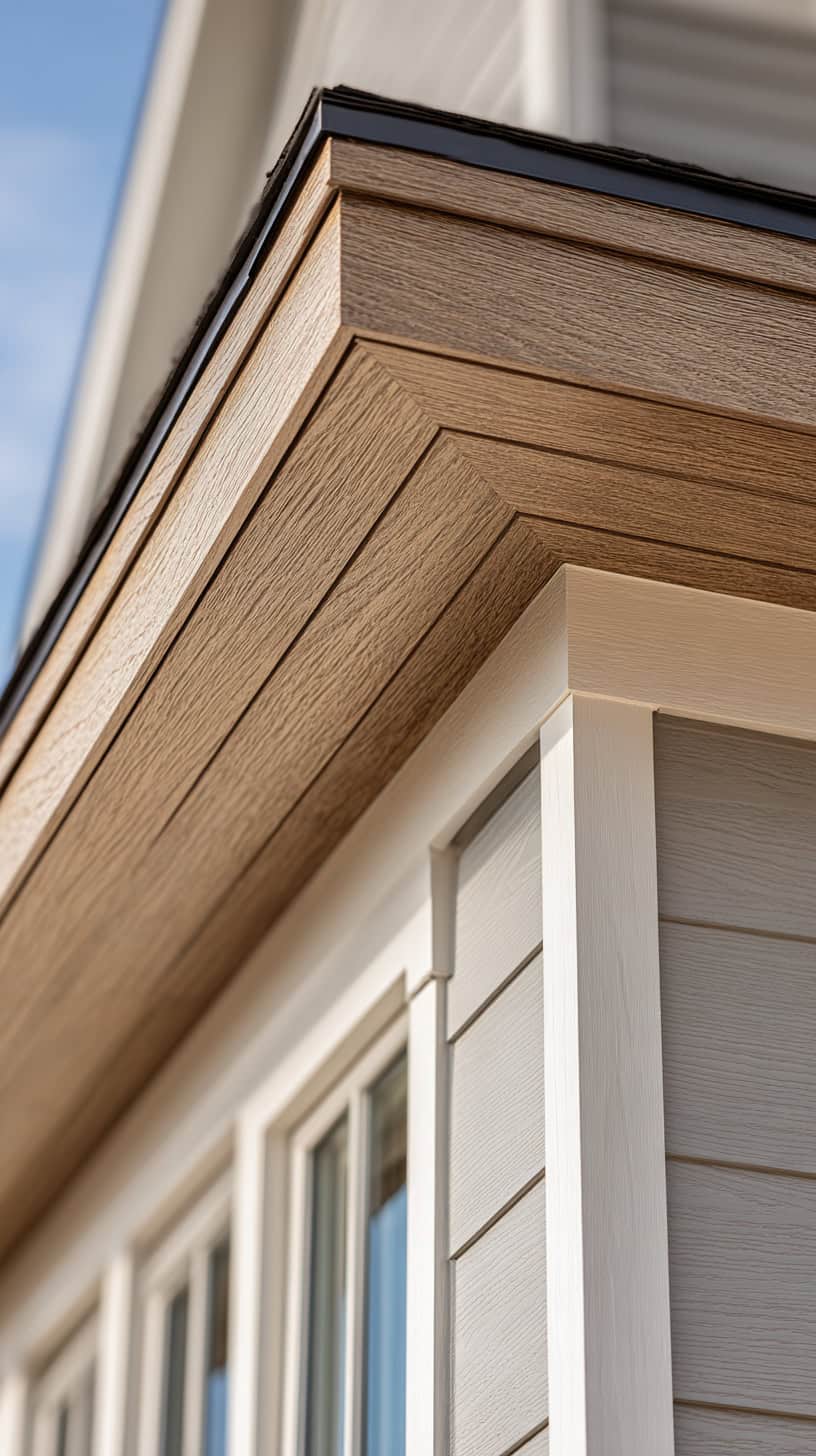
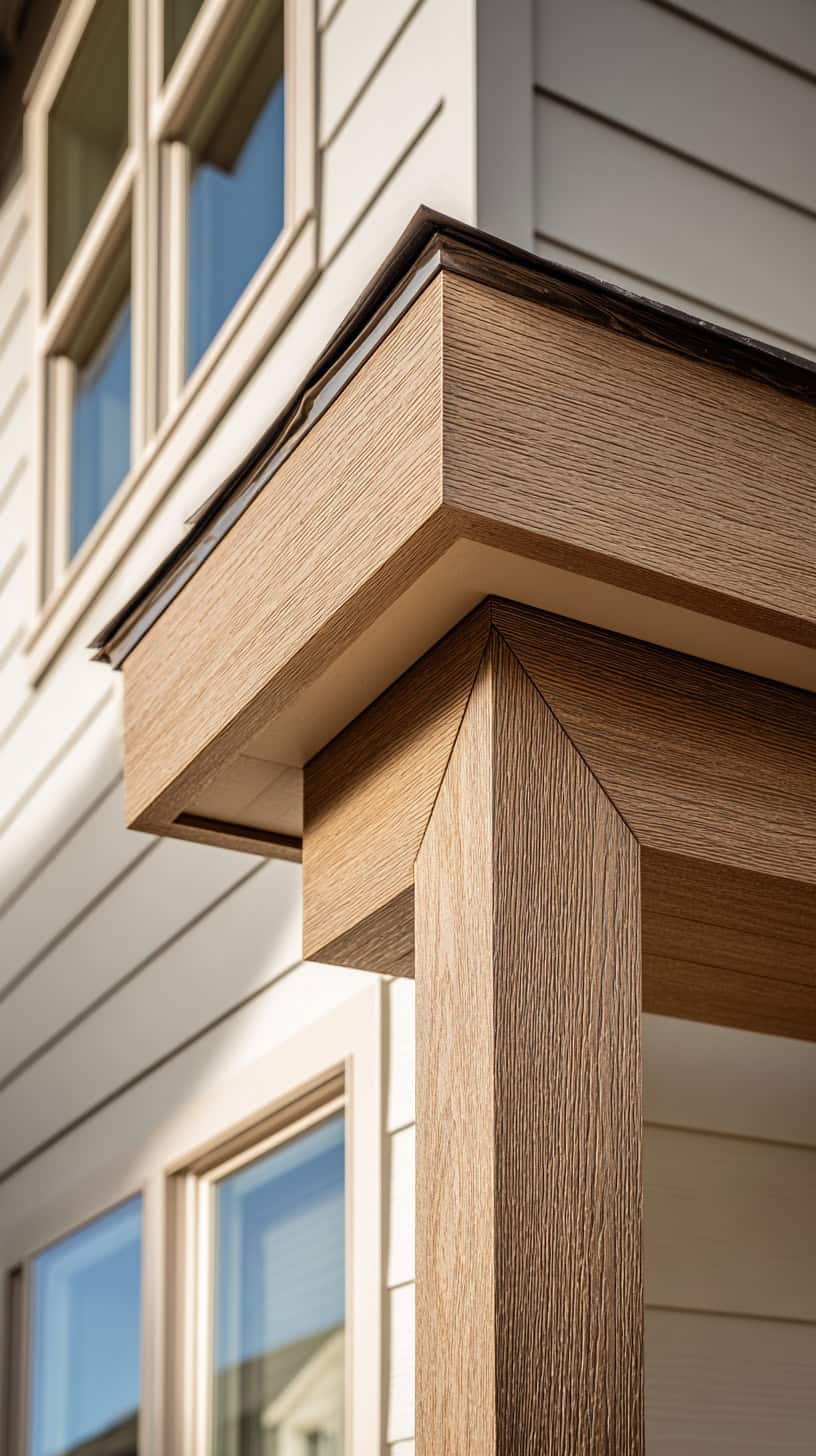
Low-maintenance engineered trim offers the beauty of natural wood without the constant upkeep, perfect for busy families. These composite materials mimic wood’s appearance while resisting rot, insects, and moisture damage that plague traditional lumber. I appreciate how modern engineered products have improved dramatically, now offering realistic wood grain patterns and natural-looking colors. This wood trim outside house solution means more time enjoying your home and less time maintaining it. The materials come pre-finished in various wood tones, eliminating the need for staining or painting after installation. Engineered trim maintains its appearance year after year without the cracking, splitting, or warping that affects natural wood. While purists prefer authentic wood, engineered options make sense for high-exposure areas or climates with extreme weather. The initial investment often proves wise over time as you save on maintenance costs and preserve your weekends for family activities instead of home repairs.
Taupe-Paired Natural Trim
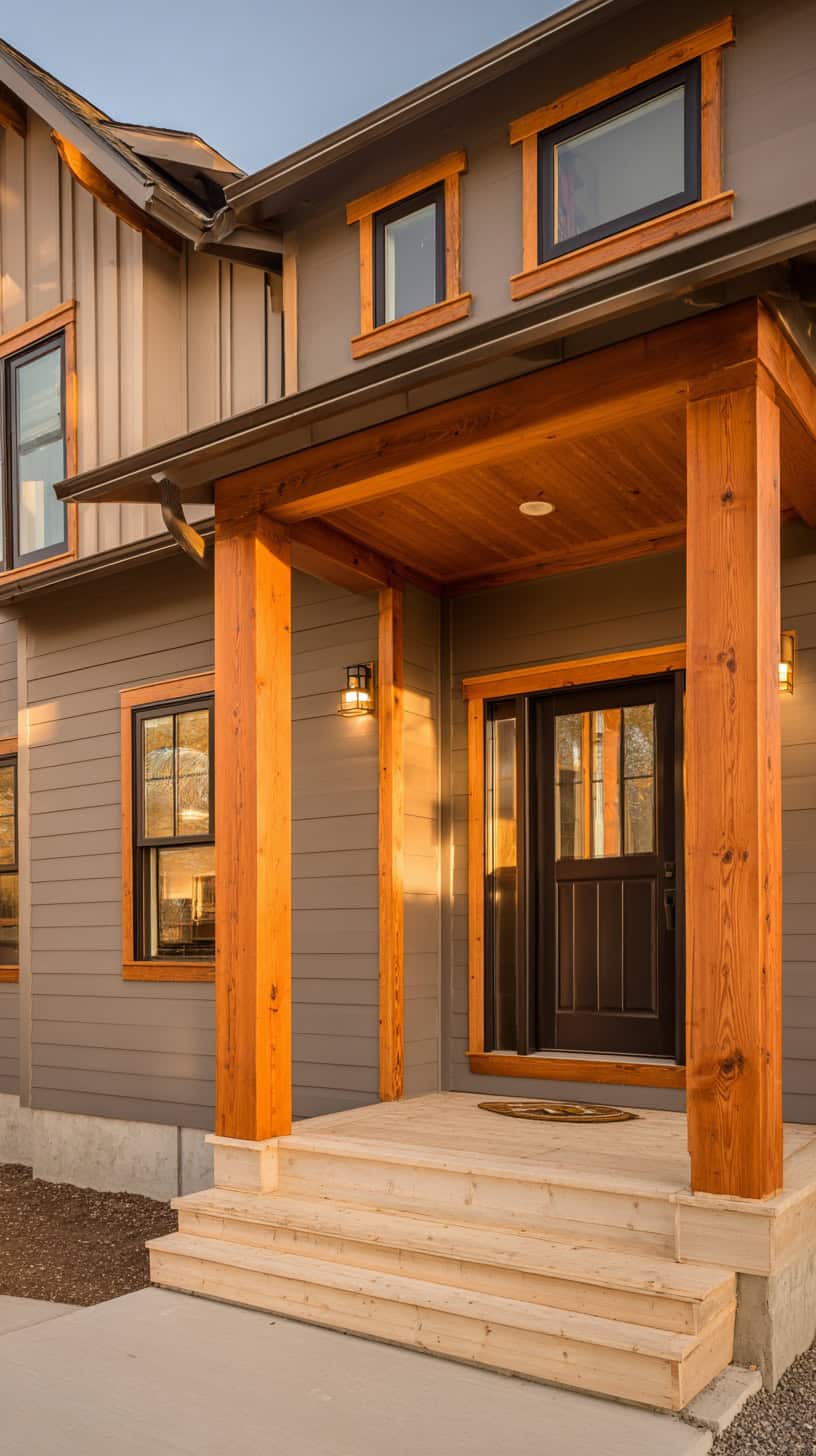
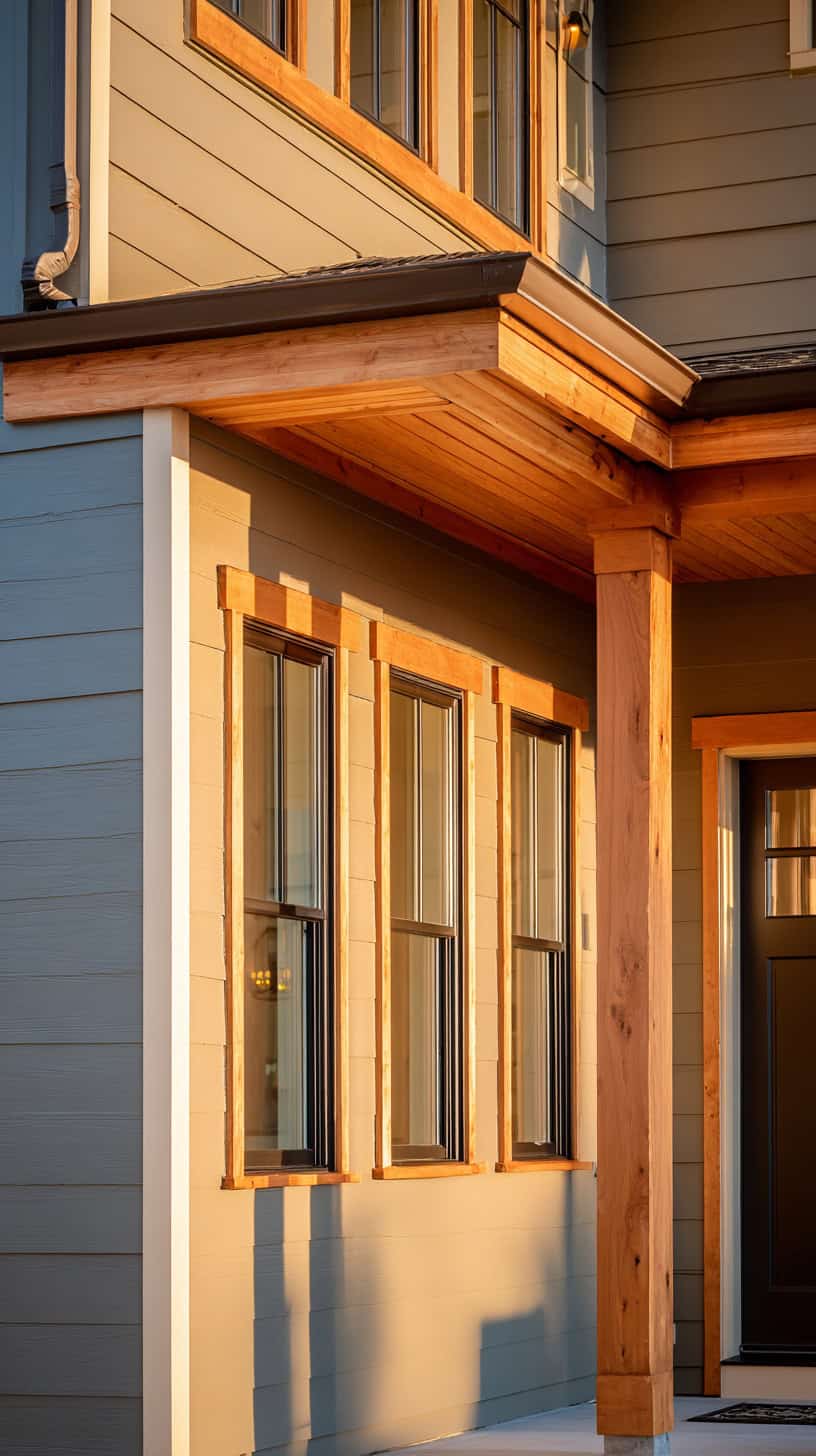
Taupe-paired natural trim creates sophisticated, understated elegance that feels current and timeless simultaneously. This combination uses soft taupe siding colors with natural wood trim in honey or light brown tones for subtle, refined contrast. The palette feels warm and inviting without being too bold or trendy, ensuring your home ages gracefully. I love how this approach brings brown trim interior sensibilities to exteriors, creating cohesive design that flows from inside to out. Natural wood tones complement taupe beautifully, both being neutral earthy colors that work harmoniously together. This combination particularly suits contemporary farmhouse, transitional, and modern craftsman trim interior styles adapted for exteriors. The soft contrast ensures architectural details remain visible without creating harsh lines or dated color blocking. For homeowners seeking sophisticated curb appeal that won’t feel outdated in five years, taupe-paired natural trim offers a safe yet stylish choice that photographs beautifully and maintains broad appeal.
Clay Tone Wood Surrounds
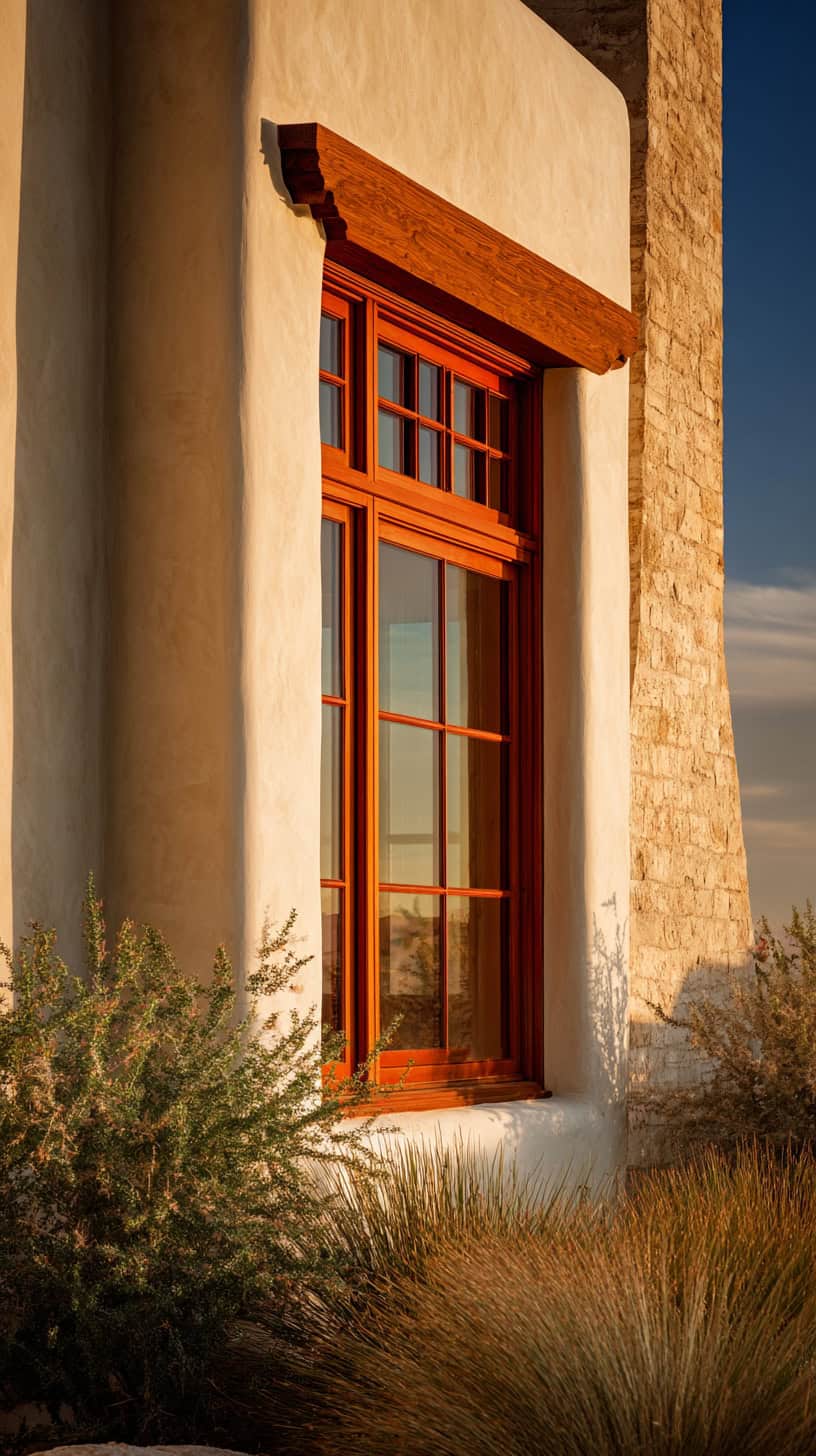
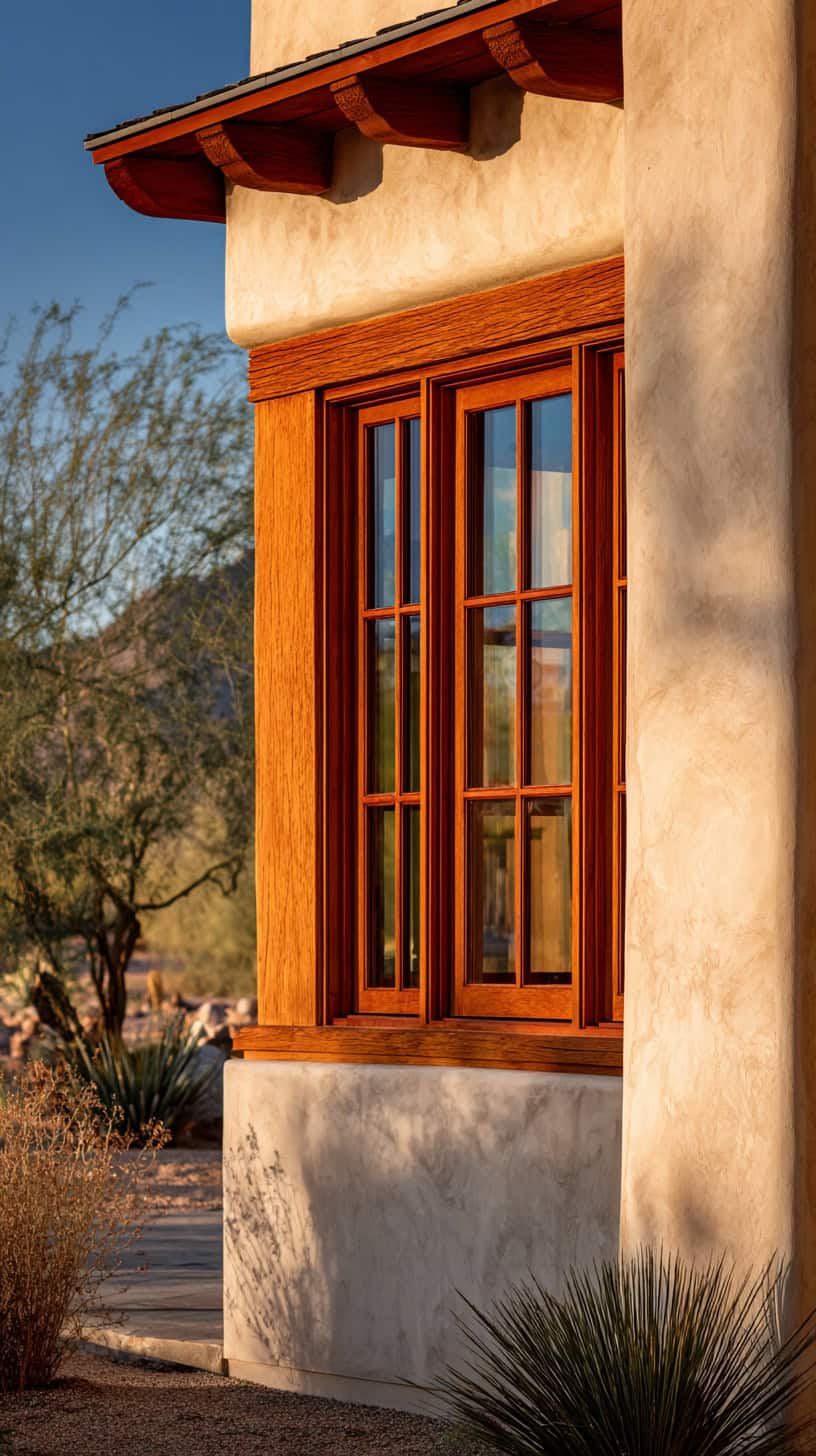
Clay tone wood surrounds bring warm terracotta-inspired hues to window and door frames, creating Mediterranean or southwestern character. These earthy reddish-brown tones feel grounded and natural, connecting your home to landscapes with clay soils or desert surroundings. I’ve noticed how clay tones add personality without being overwhelming, offering something different from typical brown or gray trim. This wood trim outside house approach works beautifully with stucco, adobe, or earth-toned siding materials. The warm undertones make homes feel welcoming and lived-in rather than stark or cold. Clay-stained wood coordinates with terra cotta roof tiles, stone accents, and warm metal finishes for cohesive design. These surrounds frame architectural openings beautifully, drawing attention to entrances and windows. The color ages gracefully, developing richer character over time rather than looking faded or tired. For families wanting exterior warmth and organic beauty, clay tone wood surrounds offer distinctive charm.
Green Door Wood Framing
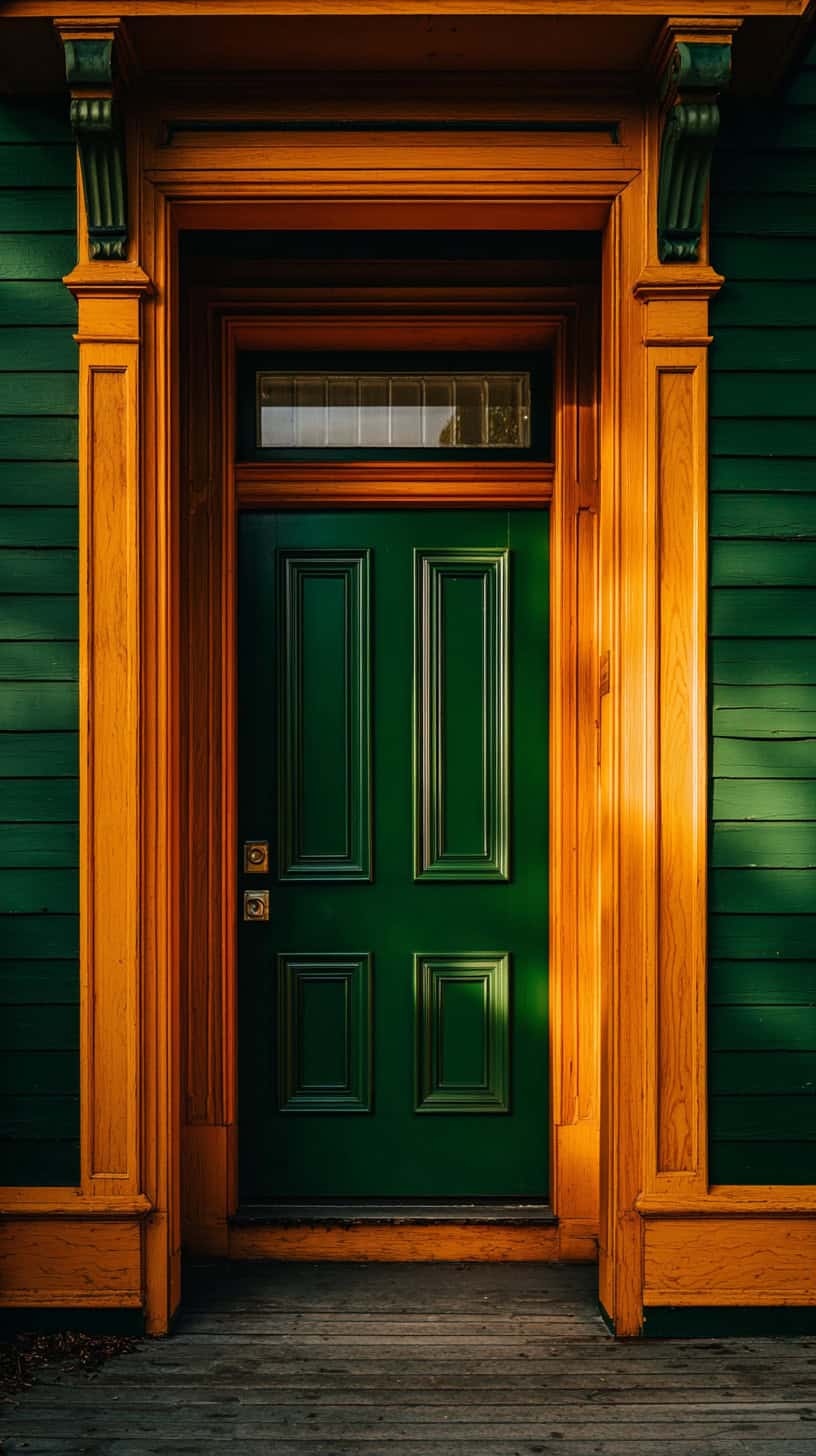
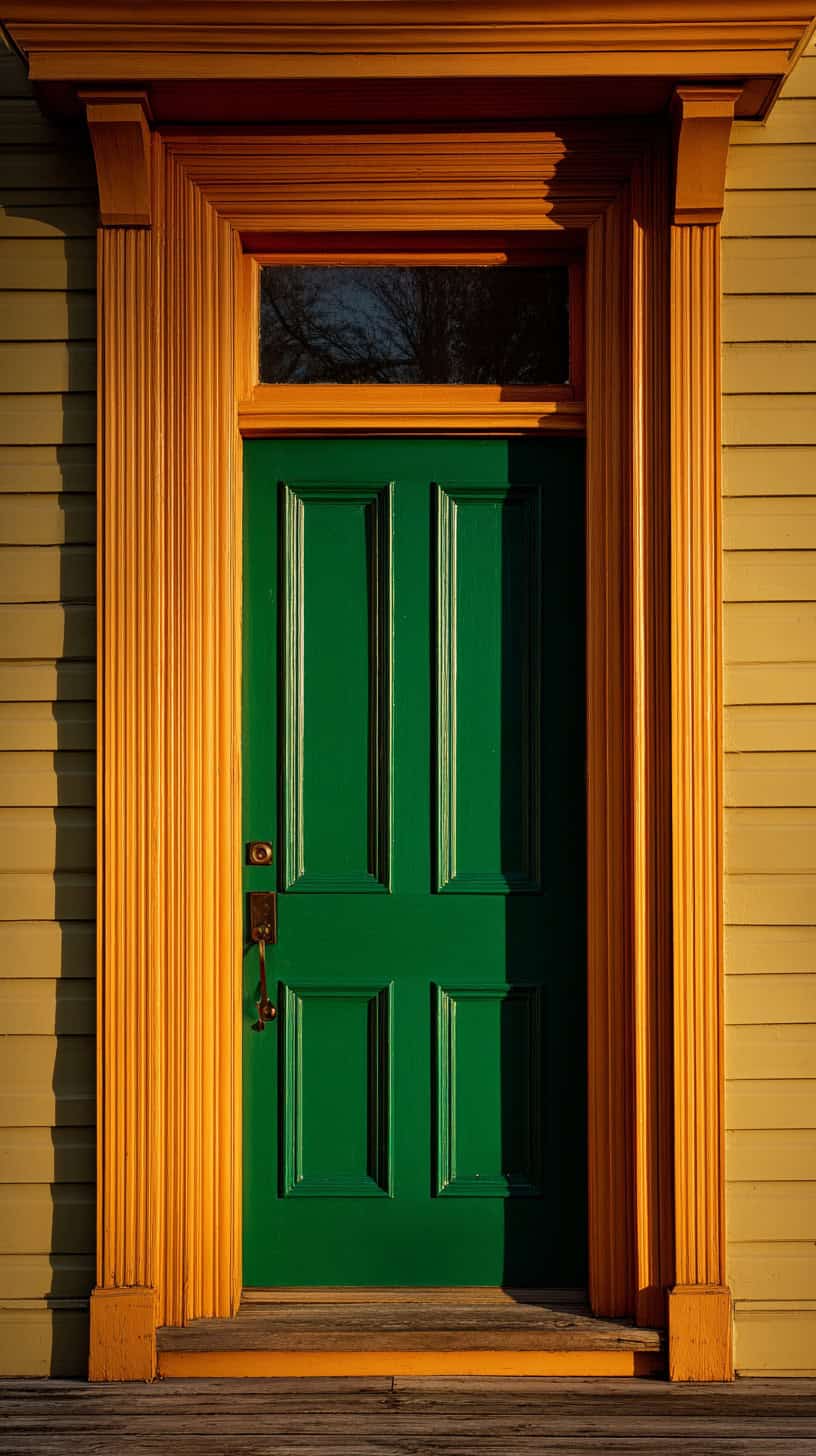
Green door wood framing creates a stunning focal point that welcomes guests with natural beauty and bold color contrast. Deep forest greens, sage tones, or olive hues pair beautifully with natural wood trim, creating combinations that feel both fresh and timeless. This approach brings unexpected color to your entrance while the wood framing provides warmth and organic texture. I love how green feels both traditional and contemporary depending on the shade you choose and your home’s architectural style. The natural wood trim softens the green’s impact, preventing it from feeling too bold or overwhelming. This wood trim ideas combination works particularly well on homes surrounded by landscaping, echoing nature’s own color palette. Whether your style leans farmhouse, cottage, or craftsman, green doors with wood framing adapt beautifully. The combination photographs wonderfully and creates memorable curb appeal that makes your home stand out for all the right reasons while maintaining sophisticated, polished appearance.
This post may contain affiliate links. Read the full disclosure here.